October 7,2011 - November 21, 2013
Age: 2 Years
Location: Petersborough, England
Suspect in death: Dean Harris, Mother's boyfriend
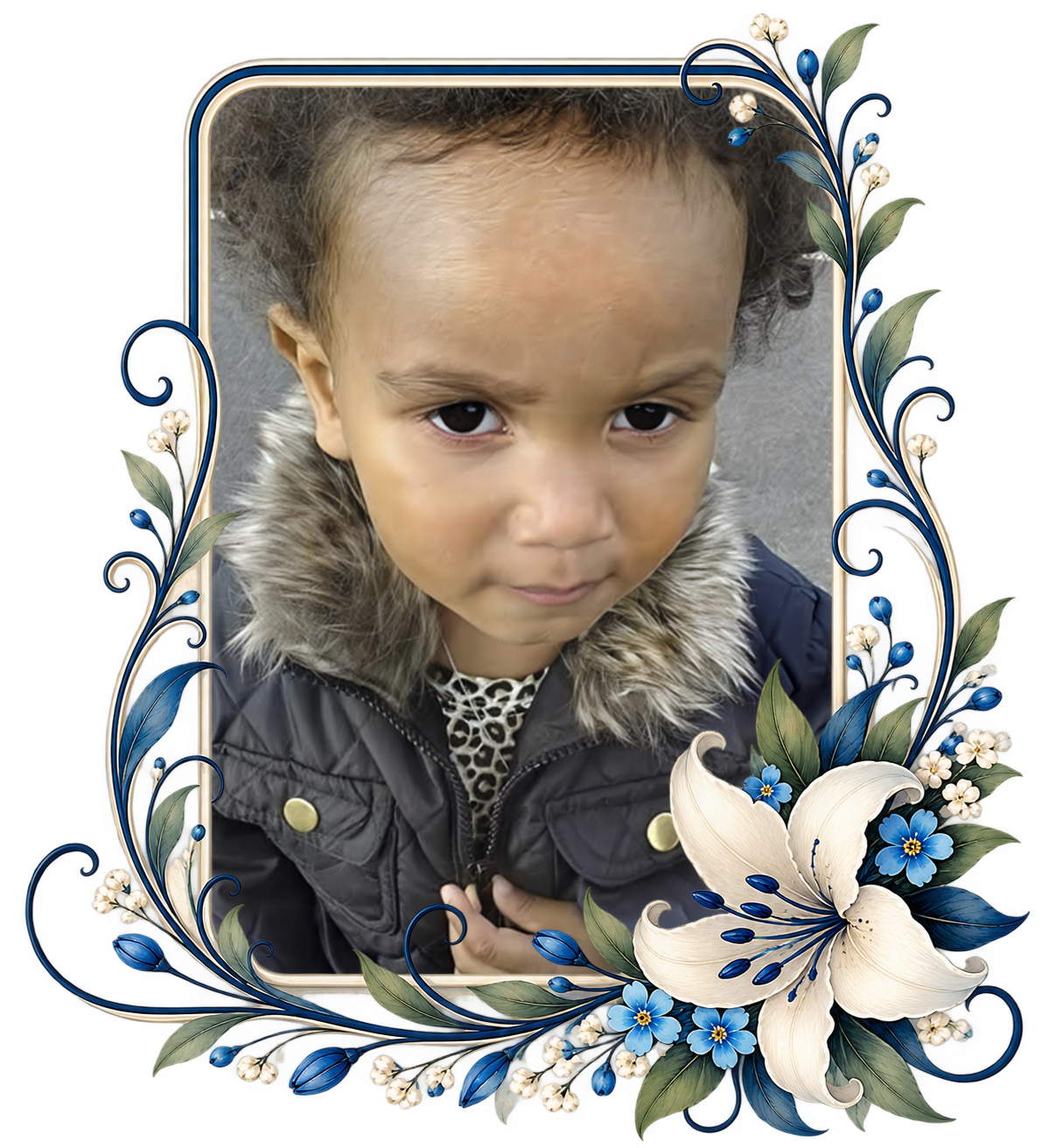
REMEMBERING AMINA
Amina Agboola was a little girl whose father, Reuben Agboola, lovingly called her his “little princess.”
After her death, he spoke publicly about how proud and grateful he was to have Amina as his daughter. He thanked those who had shown love, offered prayers, and supported her family through their grief.
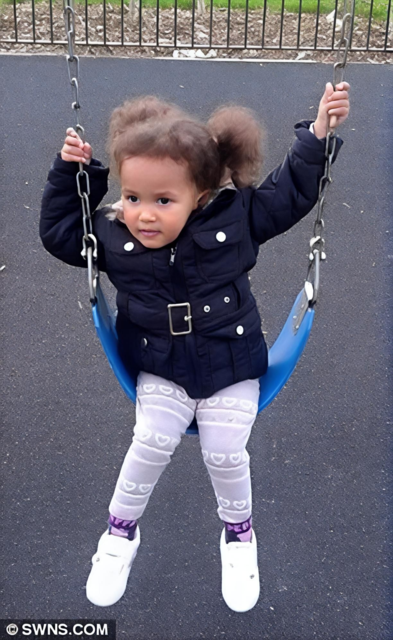
The photographs that remain of Amina show a little girl enjoying childhood, playing outside, sitting on a swing, and smiling.
She had a father who adored her, siblings around her, and an entire life still unfolding.
Amina had only recently celebrated her second birthday.
She should have been growing, learning new words, discovering the world, and enjoying the ordinary moments of childhood.
Instead, her life was taken by someone who had been entrusted with her care.
Amina's Story
On the morning of November 21, 2013, Amina's mother, Sarah Racqueman, took an older child to school and left Amina at their family home in Yaxley, Cambridgeshire, England.
Amina was left in the care of her mother's boyfriend, Dean Harris.
Harris became angry after Amina soiled herself. He kicked the little girl in the stomach with such force that she was thrown approximately six feet across the room.
The impact caused catastrophic internal injuries, completely splitting Amina's liver in two.
During sentencing, the judge described the force of the kick as comparable to that experienced in a road traffic collision.
Harris later acknowledged that Amina had been crying after he kicked her. He picked her up and held her, but she subsequently became limp and unresponsive.
When emergency responders arrived, Amina was struggling to breathe.
A paramedic described finding her limp and unconscious.
Harris initially claimed that Amina had injured herself in a fall. He later admitted that this explanation was false.
Amina was taken to Peterborough City Hospital, but her injuries were too severe.
She died that same day.
The fatal injury was not the only evidence of violence found on Amina's body.
The court heard that she had suffered other injuries, including an untreated fractured wrist, bruising to her face, and marks on her cheeks and forearm.
These findings raised further concerns about what Amina had experienced before the final attack.
Harris initially denied murder and admitted only manslaughter.
However, the jury found him guilty of murder.
While in custody, Harris confessed to another inmate that he had kicked Amina after becoming frustrated with her.
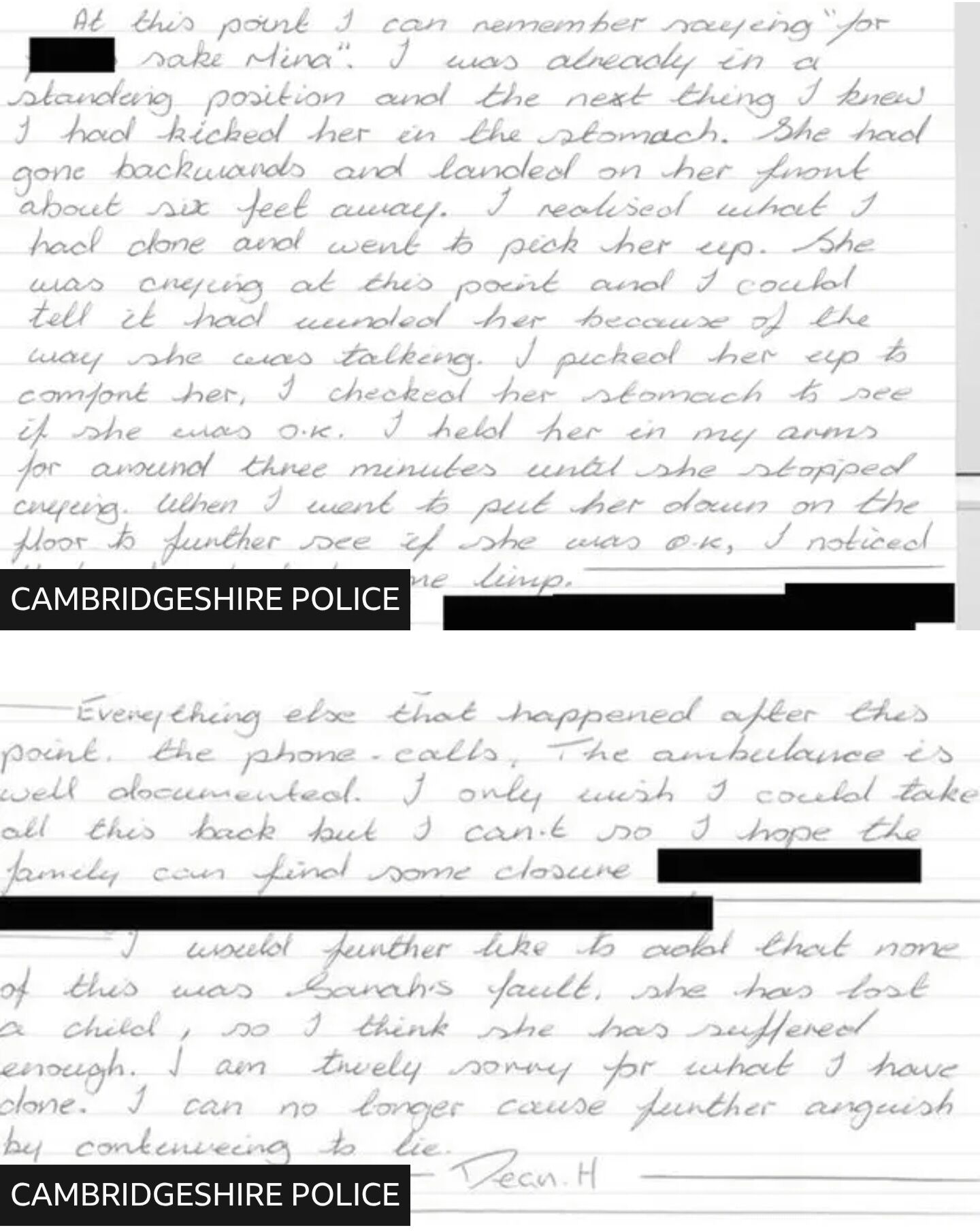
He later wrote a confession letter to Amina's family, acknowledging that he had kicked her and apologizing for what he had done.
Amina was a little girl who should have been safe in her own home.
Instead, an act of violence ended her life before she had the chance to grow up.
Warning Signs and System Failures
Before Amina died, professionals had already raised concerns about Dean Harris.
Harris had a documented history of domestic violence, and social services had repeatedly warned Amina's mother about the risks he posed to children.
She had been advised that Harris should not be left alone with the children.
Concerns about the family's welfare had also been raised by professionals from several services, including school and preschool staff, the family's general practitioner, and the health visiting team.
Cambridgeshire social services became involved with the family, and support was provided.
By October 2013, approximately one month before Amina's death, an action plan had been agreed upon stating that Harris would not be left alone with the children.
However, that arrangement was never formally established by the local authority.
On November 21, 2013, Harris was left alone with Amina.
She died that day.
Following her death, a Serious Case Review examined the involvement of professionals and agencies responsible for supporting and safeguarding the family.
The review, published in March 2015, identified shortcomings in information sharing and what it described as insufficient professional curiosity.
These findings raised questions about whether professionals had adequately connected the information available to them and challenged the circumstances surrounding the children's safety.
The review also concluded that Amina's death could not have been predicted or prevented by the professionals involved.
That conclusion is important. The review identified weaknesses in professional practice without determining that the fatal attack itself could have been foreseen.
Amina's case demonstrates why warnings about domestic violence, unsafe caregivers, and risks to children must be taken seriously.
The adults responsible for protecting children must communicate clearly, recognize escalating concerns, and ensure that safety arrangements are understood and followed.
Amina was too young to recognize the danger around her or protect herself.
She depended on the adults in her life to keep her safe.
JUSTICE FOR AMINA
Following Amina's death, Dean Harris was arrested and charged with murder.
During the investigation, Harris initially claimed that Amina had fallen and injured herself.
Medical findings and other evidence contradicted his account.
The court heard that Harris had kicked Amina in the stomach after becoming angry because she had soiled herself.
The force of the kick threw her approximately six feet across the room and caused her liver to rupture.
Harris admitted manslaughter but denied murder.
On June 17, 2014, a jury at Cambridge Crown Court found Harris guilty of murder.
On August 5, 2014, he was sentenced to life imprisonment with a minimum term of 17 years.
During sentencing, the judge referred to an assessment indicating that Harris posed a significant risk of serious harm to children left unsupervised in his care.
Harris later wrote a letter to Amina's family admitting that he had kicked her and expressing remorse.
The conviction established his criminal responsibility for Amina's death.
Amina's mother, Sarah Racqueman, was also prosecuted.
She was charged with causing or allowing Amina's death but was acquitted of that offense.
She pleaded guilty to two counts of neglect involving other children and received an 11 month suspended sentence.
Those charges concerned the neglect of other children and should not be described as a conviction for causing Amina's death.
For Amina's father and family, the legal proceedings brought accountability, but they could never restore the little girl they had lost.
No prison sentence could return Amina to her father's arms or give her back the childhood that had been taken from her.
Dean Harris
Relationship to Amina: Mother's Boyfriend
Conviction: Murder
Sentence: Life Imprisonment, Minimum 17 Years
Sarah Racqueman
Relationship to Amina: Mother
Conviction: Two Counts of Child Neglect Involving Other Children; Acquitted of Causing or Allowing Amina's Death
Sentence: 11 Month Suspended Sentence
FOREVER REMEMBERED
After Harris was sentenced, Amina's father spoke publicly about the grief of losing his daughter.
He described thinking about Amina constantly and still crying every day.
He explained that although he continued going through the motions of everyday life, his thoughts remained with his little girl.
He had also spoken about how desperately he wanted Amina back, how he wanted to see her running around, and how difficult it was to accept that he was burying his daughter instead of watching her grow.
His words reveal something that court records and newspaper reports never fully can.
Behind the photographs, police reports, injuries, criminal proceedings, and Serious Case Review was a little girl whose father desperately wanted his daughter back.
Amina was more than the violence that ended her life.
She was the little girl on the swing.
She was her father's “little princess.”
She was a daughter and a sister.
She was loved.
Amina should have experienced the excitement of starting school, making friends, celebrating birthdays, and growing up alongside her siblings.
She should have had the chance to discover her interests, develop her own personality, and become whoever she wanted to be.
Her life should have been filled with memories that had nothing to do with courtrooms, criminal investigations, or the failures examined after her death.
Although Amina's story teaches a painful lesson about recognizing warnings when a child's safety may be at risk, that lesson should never become more important than the child herself.
Her name was Amina Agboola.
She was a little girl whose smile, innocence, and short life deserve to be remembered.
Amina Agboola mattered. And she will never be forgotten.
Abuse Angels remembers Amina Agboola.
Remembered. Honored. Never Forgotten.
FOREVER REMEMBERED
After Harris was sentenced, Amina's father spoke publicly about the grief of losing his daughter. He said that he thought about Amina constantly and still cried every day. He described continuing through everyday life while his mind remained with his little girl. Those words tell us something that court records never can. Behind the photographs, police reports, injuries, court proceedings and Serious Case Review was a little girl whose father desperately wanted his daughter back. Amina should be remembered for more than the violence that ended her life. She was the little girl on the swing. She was her father's “little princess.” She was loved. And although Amina's story teaches a painful lesson about listening to warnings when a child's safety may be at risk, the lesson should never become more important than the child herself. Her name was Amina Agboola. Abuse Angels remembers Amina, tells the truth about what happened to her, and honors the little girl behind the case. Amina Agboola mattered. And she will never be forgotten.
