May 4, 2008 – June 21, 2018
Age: 10 years old
Location: Lancaster, California
Suspects in death: Heather Barron, mother & Kareem Leiva, mother's boyfriend
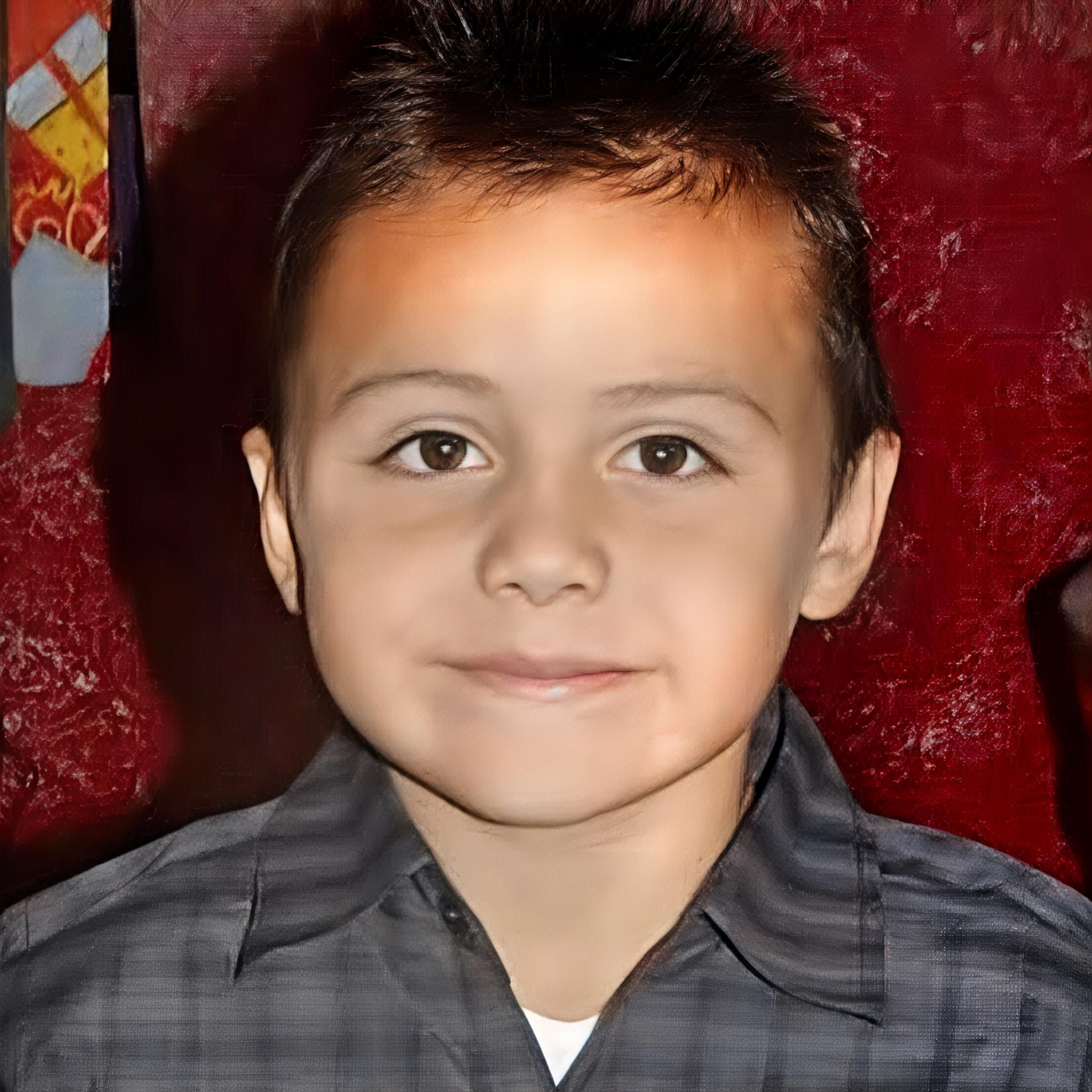
Remembering Anthony
Anthony Avalos was ten years old. Those who actually knew Anthony remembered far more than the horrific circumstances of his death. His fourth grade teacher, Harmony Bell, remembered him as a happy, joyful child who seemed to make friends with everyone. She described Anthony as someone who brought happiness into her classroom and recalled that he would bring her graham crackers from the cafeteria and draw pictures and write letters for her. Anthony also had a particularly close relationship with his aunt Maria and uncle David Barron. David later explained that Anthony had lived with them and that they had helped teach him to walk, talk, read and write. They didn't think of Anthony simply as their nephew. To them, he was like a son. Anthony dreamed of becoming a firefighter someday. On the final day of fourth grade, Anthony wrote his teacher a letter about how much she meant to him and how much he hoped they would remain part of each other's lives as he grew older. He expected to come back for fifth grade. His teacher expected him to come back too. Neither knew that Anthony had only days left to live. Anthony's life deserves to be remembered for these pieces too. He was funny. He was loving. He made friends. He dreamed about his future. He loved people and was loved in return. His name was Anthony Avalos. And before his name became associated with one of California's most devastating child-abuse cases, he was simply a little boy who deserved the opportunity to grow up.
Anthony's Story
Anthony's death did not follow one isolated incident of abuse. Evidence presented during the investigation and eventual trial revealed a prolonged pattern of cruelty inflicted upon Anthony and other children inside the Lancaster home he shared with his mother, Heather Barron, and her boyfriend, Kareem Leiva. Anthony was beaten. He was denied food and water. He was locked away without access to a bathroom. He was forced to remain in painful positions for extended periods. One punishment, known inside the home as the “captain's chair,” required Anthony to hold himself in a squatting position with his arms stretched outward. Other punishments included forcing the children to kneel on uncooked rice on a concrete floor for hours, sometimes until their knees bled. Anthony was whipped with belts. Hot sauce was sprayed into his face. When he cried or complained, a sock could be stuffed into his mouth. The children were forced to fight one another as punishment. Food itself became a means of control. Reports made before Anthony's death described the children being deprived of food and becoming so hungry that they hoarded food and ate from the trash. The abuse eventually escalated into the sustained torture that ended Anthony's life. On June 18, 2018, Anthony told his mother that he had romantic feelings for boys. Barron later told a DCFS caseworker that Leiva had overheard the conversation. The following night, according to testimony and grand-jury records, Leiva repeatedly lifted Anthony and dropped him headfirst onto the floor. Anthony's siblings witnessed some of the final violence against their brother. But no one immediately obtained the emergency medical care Anthony desperately needed. It wasn't until around noon on June 20 that Heather Barron called 911. By the time paramedics arrived, Anthony was in catastrophic condition. He was severely malnourished and dehydrated. His body showed evidence of prolonged abuse, with bruises, cuts and possible burn marks covering him. A physician who treated Anthony later described the once healthy ten year old as essentially reduced to skin and bones. Anthony had suffered severe trauma to his brain. Doctors attempted to save him. They could not. On June 21, 2018, Anthony Avalos died. Evidence at trial ultimately established that Anthony died from severe dehydration and blunt-force trauma to his head following prolonged abuse and torture.
Warning Signs & System Failures
Anthony's death is especially devastating because people had been trying to get help for him for years. Los Angeles County's Department of Children and Family Services had involvement with Anthony and his family intermittently from 2013 through 2017. During those years, at least 13 reports specifically concerning Anthony were made to the child-abuse hotline by relatives, teachers, counselors and law-enforcement personnel. The allegations were serious. Anthony told adults that his mother beat him. He described being locked inside a room without food, water or access to a bathroom. His siblings described violence inside the home as well. His vice principal reported concerns. His aunt and uncle reported concerns. A sheriff's deputy reported concerns and specifically recommended that the children not be returned home with their mother. At one point, Anthony and his siblings stayed with their aunt and uncle. Anthony believed he was finally safe. According to DCFS records later reviewed by the Los Angeles Times, Anthony told a caseworker. “Heather is my old mom. This is my new house.” He believed he wasn't going back. But he did. Anthony and his siblings eventually recanted previous allegations of abuse. A caseworker later testified that she relied upon those recantations when deciding the situation had stabilized, despite the family's risk assessment again identifying them as being at high risk for abuse and neglect. The children remained with their mother. Reports continued. In 2016, another child-care worker reported seeing bruises and said the children described being forced to fight each other. They also appeared hungry. Again, Anthony remained in the home. By the time Anthony died in 2018, years of warnings existed. Teachers had spoken. Family members had spoken. Police officers had spoken. Counselors had spoken. Anthony himself had spoken. And he still wasn't saved. After his death, Anthony's family brought a lawsuit against Los Angeles County, DCFS and others alleging failures to protect him. In 2022, Los Angeles County approved a $32 million settlement related to his death. Nothing about that settlement could give Anthony back the life he lost.
Justice for Anthony
Heather Barron and Kareem Leiva were ultimately prosecuted for Anthony's torture and murder. Their trial exposed in horrifying detail what Anthony and his siblings had endured inside the home. Anthony's siblings testified. His teacher testified. Medical professionals testified. The court heard evidence of the starvation, dehydration, beatings, forced punishments and repeated violence inflicted upon Anthony. On March 7, 2023, Superior Court Judge Sam Ohta found Heather Barron and Kareem Leiva guilty of first-degree murder and torture. Both were also convicted of child-abuse charges involving two of Anthony's half-siblings. The judge found true the special circumstance that Anthony's murder involved the infliction of torture. On April 25, 2023, both were sentenced to: Life in prison without the possibility of parole.
Heather Barron
Relationship to Anthony: Mother
Convictions: First degree murder, torture and child abuse
Sentence: Life without the possibility of parole
Kareem Leiva
Relationship to Anthony: Mother's boyfriend
Convictions: First degree murder, torture and child abuse
Sentence: Life without the possibility of parole
Forever Remembered
Anthony Avalos was ten years old. There is no reason to soften what happened to him. He was starved. He was dehydrated. He was beaten. He was humiliated. He was forced into painful punishments. He suffered burns and bruises. He was repeatedly dropped onto the floor. And while all of this was happening, Anthony was still a child who went to school, made friends, loved his teacher and imagined having a future. That is the part of Anthony that his killers could not erase. His fourth grade teacher remembered a child who brought joy into her classroom. His aunt and uncle remembered the little boy they helped raise. His family remembered someone they loved like a son. Anthony dreamed of becoming a firefighter. And shortly before his death, he wrote about expecting to see his teacher through middle school, high school and even college. Anthony expected to grow up. He should have. There should have been fifth grade. There should have been middle school. There should have been high school. There should have been adulthood and an opportunity for Anthony to discover exactly who he wanted to become. Instead, the adults responsible for caring for him tortured and killed him after years in which multiple people tried to warn the systems responsible for protecting him. Anthony's story therefore carries two truths that deserve to be remembered: The brutality inflicted upon him must never be hidden. And the brutality inflicted upon him must never become the only thing remembered about him. His name was Anthony Avalos. He was a friend. A brother. A nephew who was loved like a son. A student whose teacher couldn't imagine her classroom without him. A little boy who dreamed of becoming a firefighter. Abuse Angels remembers Anthony, tells the truth about what happened to him, and remembers the ten year old boy behind a case that should never have existed. Anthony Avalos deserved the future he was already dreaming about.
OFFICIAL DOCUMENTS & REPORTS
investigation report
