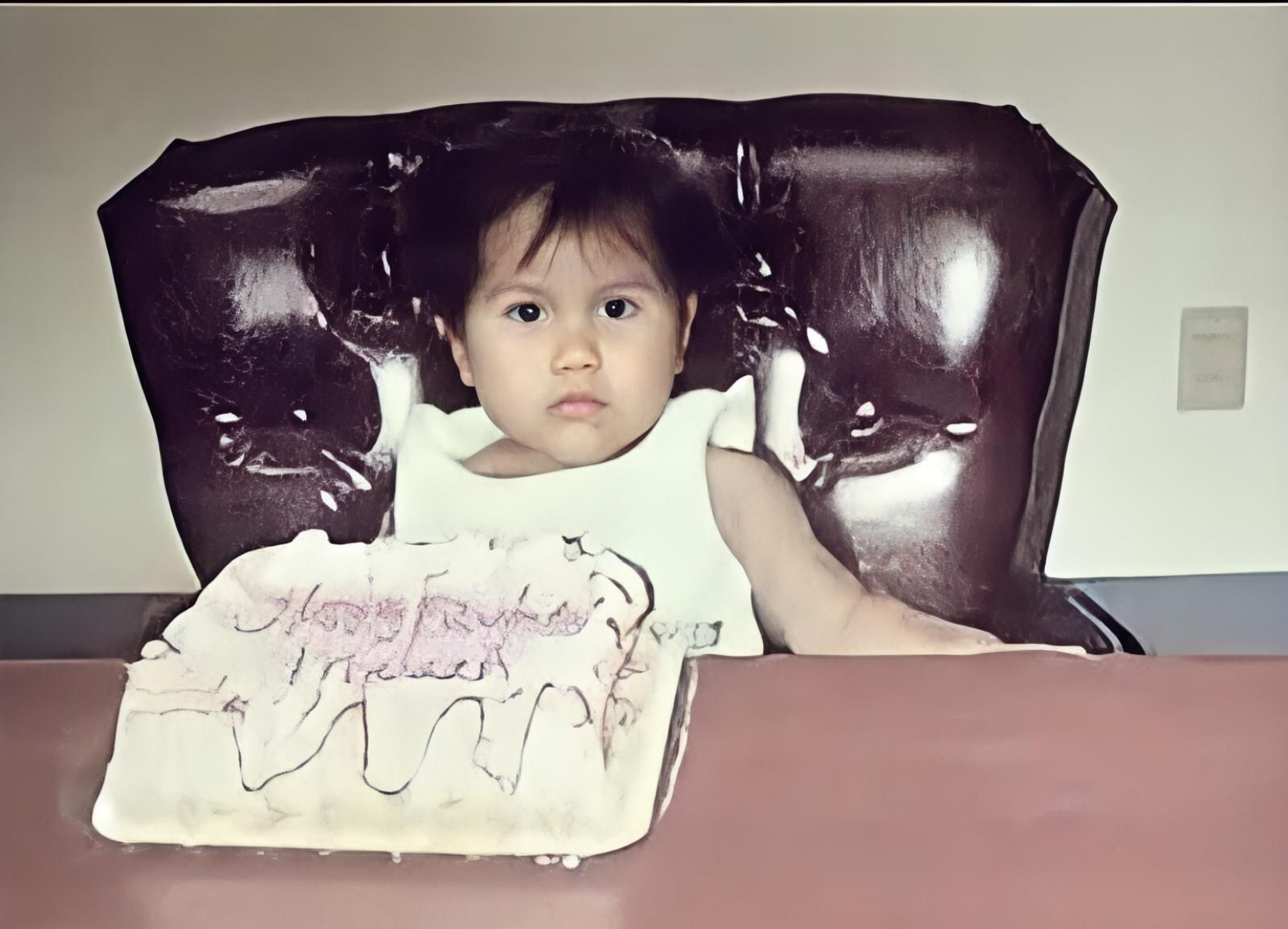
Remembering Mariah
Mariah Alvarez was two years old when she died on February 17, 2007. She was the youngest of a large family and had spent part of her short life in foster care after Child Protective Services became involved with the family. Court records describe Mariah as having some difficulty with balance while walking and as a little girl who liked to climb. Today, Mariah's name is known around the world largely because of the controversial death penalty case that followed her death. But before there was a trial, a conviction, appeals, documentaries, advocates, attorneys, or headlines, there was Mariah. She was a two year old little girl. And whatever ultimately happened in the legal case surrounding her death, Mariah's life and the truth about what happened to her deserves to remain at the center of her story.
Mariah's Story
On February 17, 2007, paramedics were called because Mariah was unresponsive and turning purple. Attempts to resuscitate her were unsuccessful. She was transported to a hospital, where she was pronounced dead. Mariah's body showed extensive injuries. Evidence presented at the original trial described bruising on her torso, arms, legs, vaginal area, face, forehead, and around her eyes. Earlier records also described bite marks on her back, missing patches of hair, and an arm fracture that had occurred weeks before her death. The bite marks were severe enough that the forensic pathologist testified they could not be matched to an individual because someone's teeth had been dragged across Mariah's back. At the original trial, medical testimony attributed Mariah's death to blunt-force head trauma and characterized her injuries as inconsistent with an ordinary fall. That became the foundation of the prosecution's case against her mother, Melissa Lucio. But that is not the end of what we now know about Mariah's death.
A Case Reexamined
Melissa Lucio maintained that Mariah had fallen down a flight of stairs two days before her death and became progressively less well afterward. Years after the original trial, previously undisclosed evidence significantly strengthened that account. Interviews conducted after Mariah's death showed that several of her siblings told investigators their mother was not physically abusive toward Mariah and confirmed that Mariah had fallen down the stairs. At least one of the children reported witnessing the fall. Those interviews were not provided to Lucio's defense before the trial. The case was also reexamined in light of new scientific and medical evidence challenging the original interpretation of Mariah's injuries and the conclusion that her death could only have resulted from intentional abuse.
In April 2024, the Cameron County District Attorney's Office and Lucio's attorneys agreed that favorable evidence had been withheld from the defense and that the constitutional violation had affected the reliability of her conviction. The trial judge recommended that Lucio's conviction and death sentence be overturned. Later that year, the findings went even further. In October 2024, Senior State District Judge Arturo Nelson concluded that clear and convincing evidence showed Mariah's fatal head injury was caused by an accidental fall down the stairs. He found that the prosecution had relied on false or misleading testimony concerning important issues at the original trial and concluded that Lucio was actually innocent of killing her daughter. The judge recommended that Lucio's capital murder conviction and death sentence be overturned. The final decision, however, rests with the Texas Court of Criminal Appeals. As of 2026, that court has not issued its final ruling.
Justice for Mariah
Melissa Lucio was arrested following Mariah's death and charged with capital murder. In 2008, a jury convicted Lucio of capital murder, and she was sentenced to death. Lucio maintained that she had not killed her daughter. She was scheduled to be executed on April 27, 2022, but two days before the scheduled execution, the Texas Court of Criminal Appeals granted a stay and ordered the trial court to consider claims involving her innocence, suppressed evidence, false testimony, and new scientific evidence. In April 2024, the Cameron County District Attorney's Office and Lucio's attorneys agreed that favorable evidence had been withheld from her defense at the original trial. The trial judge recommended that her conviction and death sentence be overturned. In October 2024, the trial judge issued additional findings and concluded that clear and convincing evidence showed Mariah's fatal head injury resulted from an accidental fall. He found Melissa Lucio actually innocent of killing her daughter and again recommended that her conviction and death sentence be overturned.
Originally convicted: Melissa Lucio
Relationship to Mariah: Mother
Original conviction: Capital murder
Original sentence: Death
Execution: Stayed in 2022
Trial court finding: Actually innocent; conviction and death sentence recommended to be overturned
Current status: Awaiting a final decision from the Texas Court of Criminal Appeals
As of 2026, Lucio's conviction has not yet formally been overturned. The Texas Court of Criminal Appeals continues to consider the trial court's findings and recommendations.
Forever Remembered
For almost two decades, much of the public discussion surrounding Mariah Alvarez has focused on one question: Did Melissa Lucio murder her daughter? That question has shaped a capital murder trial, a death sentence, years of appeals, and an international debate about her mother's conviction. But Mariah matters independently of any court case. She was two years old. She was a daughter, a sister, and a little girl whose life ended far too soon. Before her name appeared in court filings, documentaries, headlines, and campaigns, Mariah was simply a child whose life mattered. The later examination of her case has also shown why the truth matters. Evidence that could have changed how a jury understood Mariah's death was not presented at the original trial, and the medical conclusions surrounding her injuries have since been substantially reevaluated. Mariah should not be reduced to evidence for either side of a controversial death penalty case. She deserves to be remembered as the little girl at the center of it. Her name was Mariah Alvarez. Abuse Angels will continue to preserve Mariah's story accurately as the courts determine the final legal outcome surrounding her death. Mariah Alvarez mattered. And she will never be forgotten.
