Unknown – April 26, 2013
Age: 2 Years
Location: Hernando, Florida
Suspect in death: Chelsea Maree Huggett, Mother
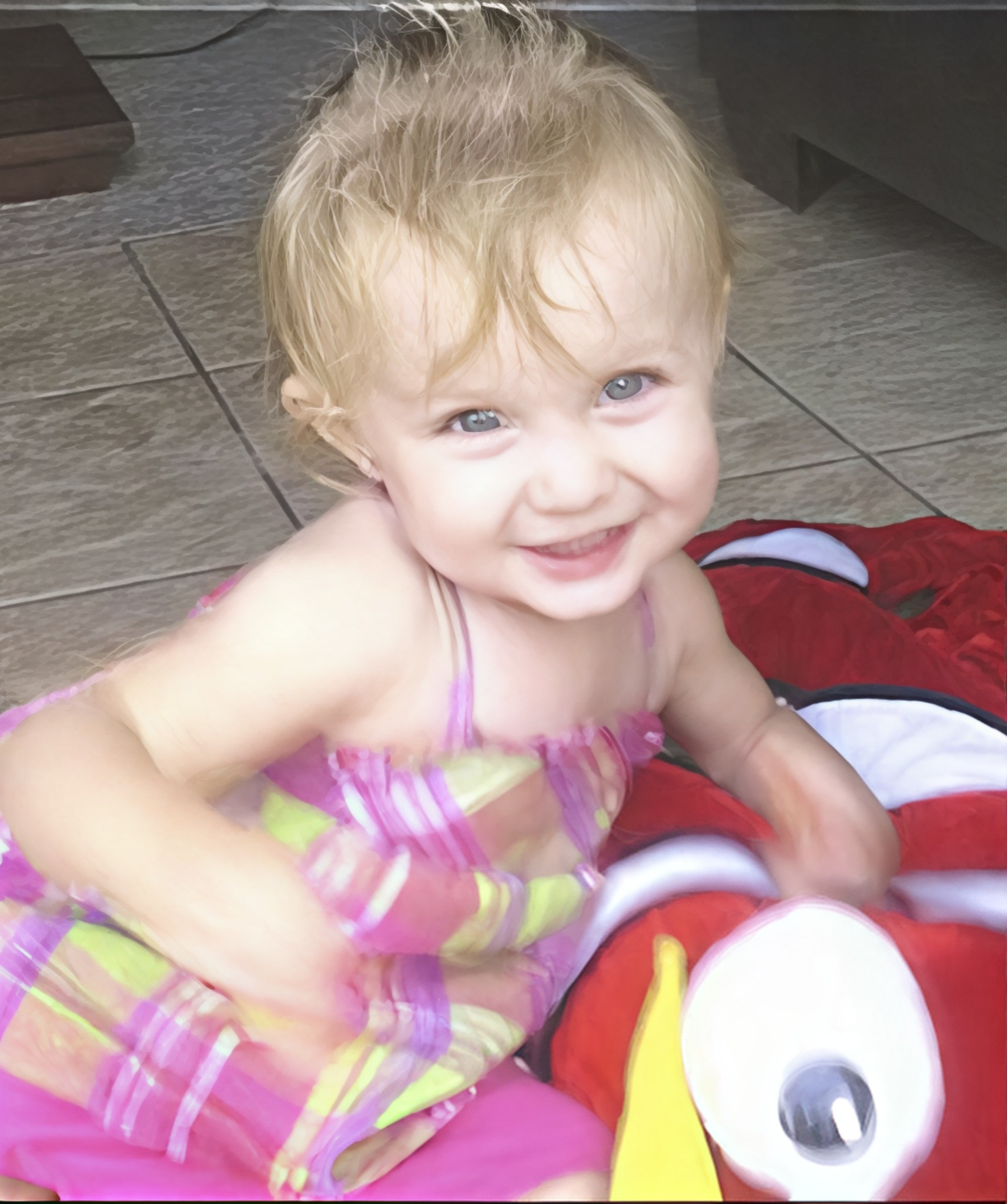
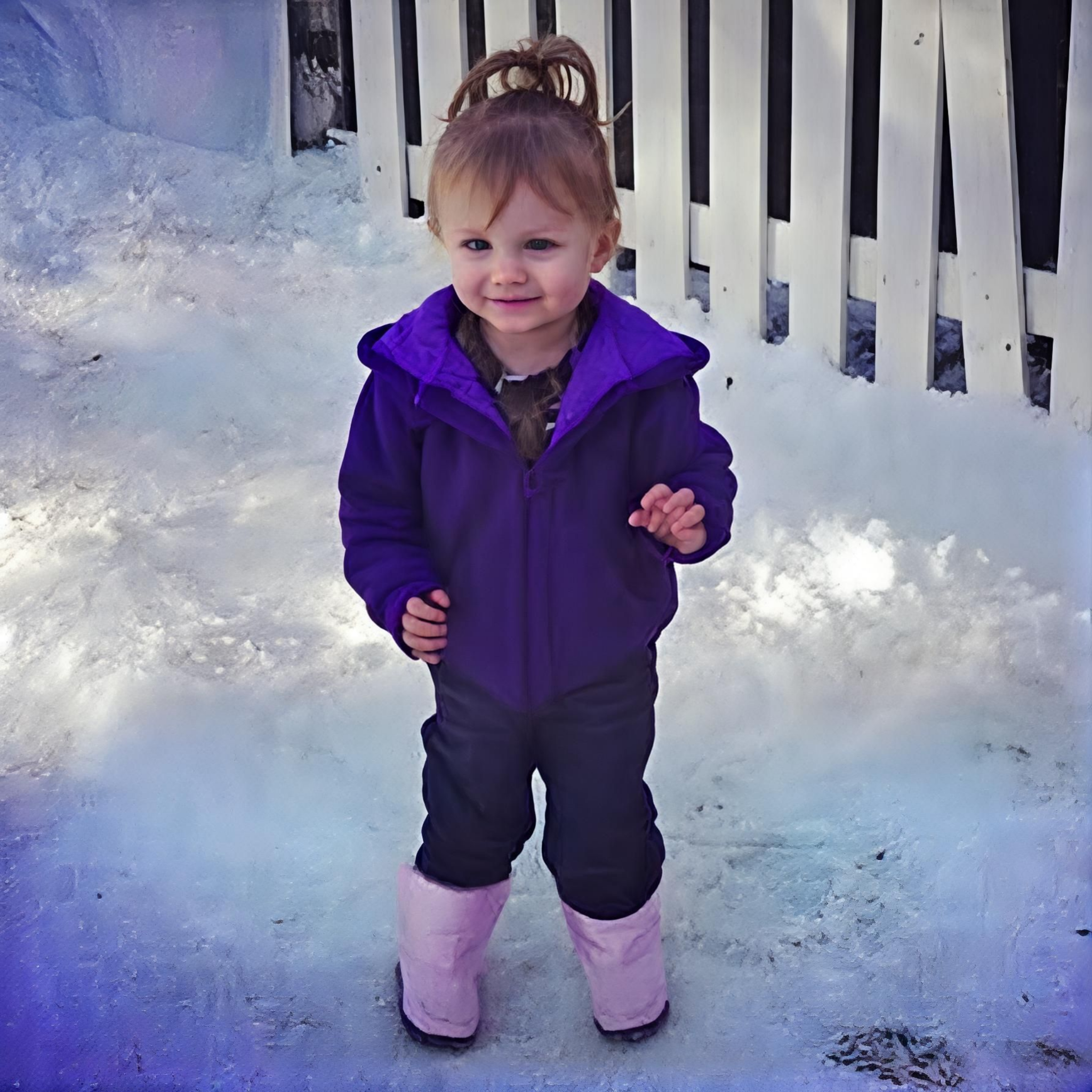
REMEMBERING ALIYAH
Aliyah Marie Branum was a two year old little girl who needed more care than many children her age. Aliyah was born with several medical and developmental needs. She had a serious condition affecting her right eye and a genetic condition affecting her feet that required physical therapy. Those needs did not make Aliyah difficult. They made her dependent on the adults around her for medical care, patience and protection. Aliyah was still at an age when she relied on adults for nearly everything. She could not explain where her bruises came from. She could not arrange her own medical appointments or take herself to a hospital when she was sick or injured. She needed someone to notice. People did notice. Again and again, concerns were raised about Aliyah’s safety. But she remained with her mother. Aliyah was two years old when she died.
ALIYAH’S STORY
For much of Aliyah’s short life, she and her mother, Chelsea Maree Huggett, lived in unstable conditions, at times staying in tents and sheds before eventually living in a home in Hernando, Florida. Aliyah’s medical needs were frequently neglected. Her eye condition required treatment that she did not consistently receive. She also needed physical therapy for a genetic condition affecting her feet. There were concerns about basic care as well. Aliyah was sometimes left in dirty diapers long enough to develop severe rashes and bleeding sores. Adults outside the home also witnessed troubling treatment. In August 2012, a woman who knew Chelsea reported seeing her cover Aliyah’s mouth and nose when the toddler cried and then strike her. When the woman later changed Aliyah’s diaper, she said she saw bruising on the little girl’s body. Concerns continued into 2013. In January, another report alleged that Aliyah was dirty, suffering from a severe diaper rash, not receiving needed physical therapy and had a bruise on her lower back resembling a handprint. A physician with Florida’s Child Protection Team examined Aliyah and documented bruising that was considered evidence of physical abuse. Chelsea acknowledged using physical punishment and admitted that she struggled with severe anger. Despite those concerns, Aliyah remained in her care. On April 24, 2013, Aliyah was transported by ambulance to Citrus Memorial Hospital because her hands were swollen. People who saw her at that time reportedly did not observe the extensive bruising that would cover her body two days later. Later that evening, Aliyah became lethargic.
Chelsea told others that she believed Aliyah might have come into contact with ant and roach poison. A poison control hotline instructed Chelsea to take Aliyah to a hospital immediately. She did not. When the hotline followed up after learning that Aliyah had never arrived at the hospital, Chelsea said the little girl was fine. She was not. During the period leading to Aliyah’s death, Chelsea became frustrated by her daughter’s crying and desire for attention. Chelsea later admitted shaking Aliyah, covering her mouth to quiet her cries and violently striking her head against a wall. She also admitted head butting her. Aliyah lost consciousness. On April 26, someone inside the home realized Aliyah was not responding and emergency help was called. Deputies found the two year old unresponsive. She was taken to Citrus Memorial Hospital, where she was pronounced dead. Aliyah’s body showed extensive evidence of violence. She had bruising across her face, head, arms, legs, back and shoulders. One eye was swollen shut. She suffered a skull fracture and extensive bleeding around her brain. Her death was ruled a homicide caused by blunt force trauma. Chelsea initially attempted to blame her boyfriend, claiming Aliyah had been harmed by bug spray used inside the home. Investigators did not accept the explanation. Chelsea eventually admitted what she had done. Aliyah had survived two years of instability, medical neglect and repeated warning signs. She did not survive the final attack.
SYSTEM FAILURES & WARNING SIGNS
Aliyah came to the attention of Florida’s Department of Children and Families more than once before her death. In August 2012, a report was made after a woman witnessed Chelsea covering Aliyah’s mouth and nose while she cried and striking her. The same woman reported seeing bruises on Aliyah when she changed the child’s diaper. There were also concerns about the unstable conditions in which Aliyah and her mother were living. DCF became involved, and Chelsea agreed to a safety plan that included restrictions on excessive physical punishment. The warning signs continued. On January 10, 2013, another report reached the abuse hotline. The allegations included medical neglect, poor hygiene, severe diaper rash and a hand shaped bruise on Aliyah’s lower back. A doctor with the Child Protection Team documented bruising on Aliyah’s thigh that was considered evidence of physical abuse. During the investigation, Chelsea acknowledged hitting Aliyah as discipline and described having severe problems controlling her anger. She had already agreed not to use excessive physical punishment. Nevertheless, the investigation was closed on February 12 with the allegation of abuse classified as not substantiated. Another safety plan was put into place. This time, Chelsea and her boyfriend agreed that there would be no physical discipline. Aliyah remained in the home. Less than three months later, she was dead. There was one final opportunity for intervention immediately before her death.When Aliyah became lethargic after her April 24 hospital visit, poison control instructed Chelsea to return her to a hospital immediately. Chelsea ignored the instruction. When the hotline followed up, Chelsea falsely said Aliyah was fine. Chelsea later acknowledged that she did not seek medical help because she feared authorities would discover Aliyah had been abused. Aliyah’s case became part of a broader examination of deaths involving Florida children whose families had already been known to child protection authorities. The warnings surrounding Aliyah were not hidden. Adults reported concerns. A child protection physician documented suspicious bruising. Her mother admitted using physical punishment and having difficulty controlling her anger. Safety plans were written. Aliyah remained dependent upon the same adult those plans were supposed to control. She died on April 26, 2013.
JUSTICE FOR ALIYAH
Chelsea Maree Huggett was arrested following the investigation into Aliyah’s death. She was initially charged with first degree murder and aggravated child abuse. In February 2014, Chelsea pleaded guilty to reduced charges of second degree murder and aggravated child abuse. Aliyah’s own family asked the court to impose the maximum punishment allowed under the plea agreement. In April 2014, Judge Richard Howard sentenced Chelsea to thirty years in prison.
Chelsea Maree Huggett
Relationship to Aliyah: Mother
Conviction(s): Second degree murder; Aggravated child abuse
Sentence: 30 years in prison
FOREVER REMEMBERED
Aliyah was only two. She had medical conditions that required treatment and additional attention, but she was completely dependent upon adults to make sure she received that care. She could not make the phone calls that needed to be made. She could not explain her bruises. She could not enforce a safety plan. And when she desperately needed medical attention during the final days of her life, she could not take herself to the hospital. Other people tried to speak for her. They reported what they saw. They questioned her injuries. They recognized that something was wrong. Aliyah still remained in danger. After her death, members of her family created Aliyah’s Project in her memory, hoping to educate and help other mothers who were struggling. Aliyah’s name should remain at the center of her story. She was not a case number, a safety plan or another statistic in an investigation of Florida’s child welfare system. She was a little girl who needed adults to protect her. She deserved that protection while she was alive. Abuse Angels remembers Aliyah Branum. Remembered. Honored. Never Forgotten.
