March 1997 - January 19, 2002
Age: 4 years old
Location: Indianapolis, Indiana
Suspects in death: L.B. Bars and Latricia Bars, adoptive parents
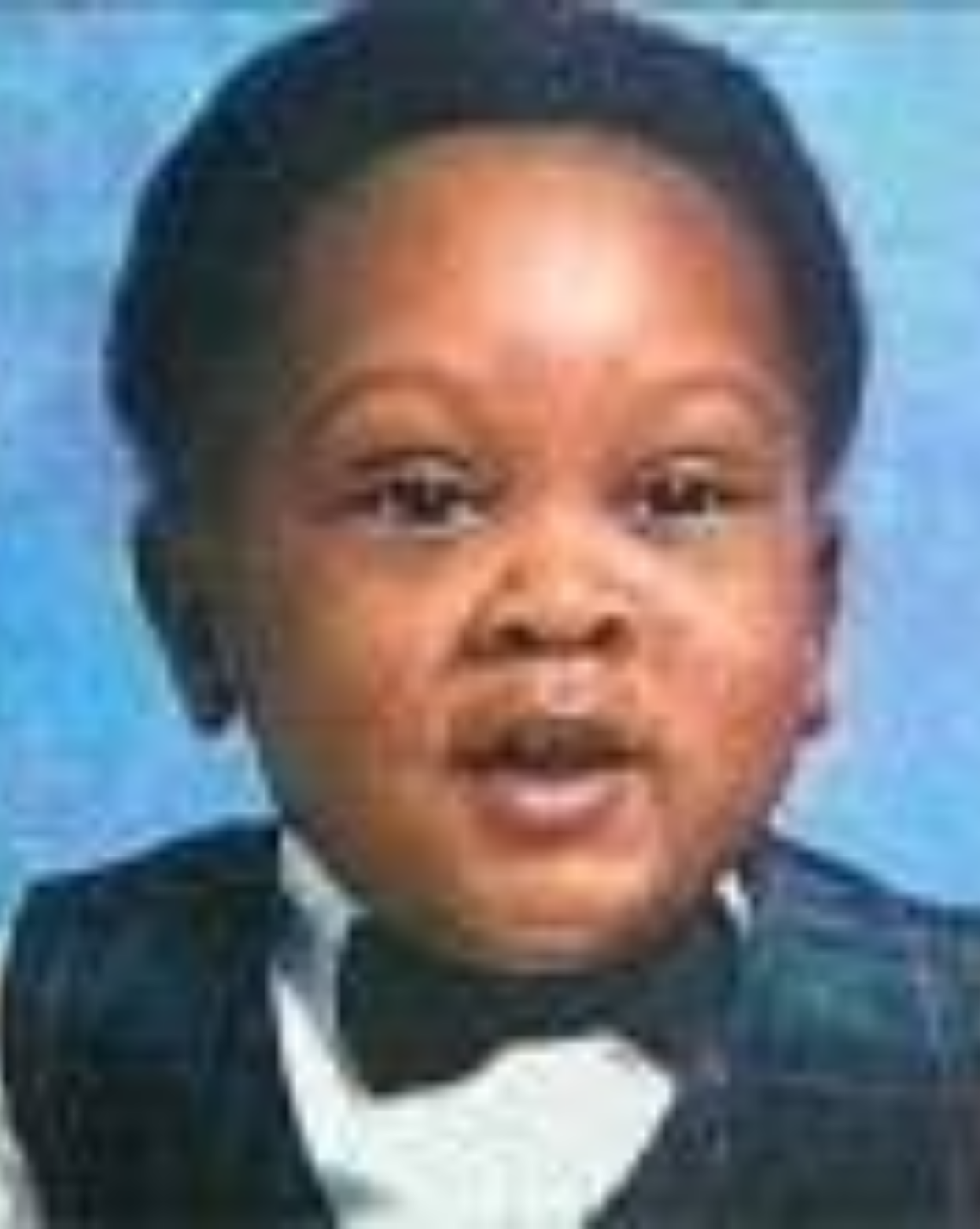
Remembering Anthony
Anthony Otis Bars was four years old. He entered the world alongside his twin sister, Knioya, in March 1997. At only three days old, the twins were removed from their biological mother's care because of concerns surrounding her drug addiction. They were placed together in the Indianapolis foster home of Florence Hurst. And there, Anthony thrived. Florence cared for the twins from the time they were newborns until they were approximately 15 months old. Years later, when she stood in court after Anthony's death, Florence remembered the little boy he had been before everything changed. Anthony was affectionate. He was happy. And, in Florence's words, Anthony was always looking for a lap to crawl into. That small detail tells us something important about Anthony that autopsy reports never could. He was a little boy who wanted closeness. He wanted affection. He wanted someone's lap. For the first 15 months of his life, Anthony knew a home where he was cared for by the woman who hoped to adopt him. Then the state made another decision. Anthony and his twin sister were removed from Florence's home and placed with L.B. and Latricia Bars. Three and a half years later, Anthony was dead. But before we tell that part of his story, we remember the little boy who came first. Anthony Otis Bars. The little boy looking for a lap to crawl into. The little boy who deserved to remain safe.
Anthony's Story
Anthony and Knioya were only three days old when they entered Florence Hurst's foster home. Florence wanted to adopt them. But when the twins were approximately 15 months old, Latricia Bars contacted their caseworker and claimed a family connection to the children. Indiana's child welfare system gave preference to relative placements. The problem was that the supposed relationship was extraordinarily distant. The Indiana Court of Appeals later described it as “tenuous at best.” According to the court record, Latricia had no blood relationship to Anthony and Knioya. Nevertheless, L.B. and Latricia Bars were considered for adoption. Florence later recalled how abruptly everything happened. She learned on a Monday that by Friday she would have to say goodbye to the two babies she had raised since they were three days old. On March 18, 1999, the adoption was finalized. Anthony and his twin sister became part of the Bars household. What happened afterward was horrific. Investigators later determined that Anthony and his sister were starved and physically abused. Anthony was beaten with objects including a wooden paddle, metal spoon and belt. Food was deliberately restricted. A padlock was reportedly placed on the refrigerator. Slowly, Anthony became severely malnourished. His twin sister was suffering too.
By the time authorities finally saw the children, she was extremely small and emaciated, covered with scars and marks and intensely possessive of food. Anthony's condition was even worse. In January 2002, the Bars family claimed that Anthony had fallen down a flight of stairs. But they did not immediately seek medical care. When Anthony finally arrived at the hospital, his little body told a much larger story. He was severely emaciated. Bruises covered his body. There were marks consistent with being struck by a cord. He had suffered a head injury and a broken collarbone. And at four years old, Anthony weighed only 24 pounds. Anthony died from dehydration. His death was the culmination of prolonged deprivation and abuse. He was four years old.
Anthony and His Twin Sister
Anthony did not suffer alone. His twin sister, Knioya, survived the same household. The Bars family called her Latoya, which is why that name appears in some of the older reporting and on your original page. Her birth name was Knioya Grimes. When she was finally removed from the Bars home, the effects of what she had endured were visible. She was emaciated. Her body bore scars and other marks. She had significant developmental difficulties and no verbal skills. And she was extremely possessive of food. After Anthony died, Knioya was returned to Florence Hurst. She began gaining weight. But Anthony's absence remained. Florence later told the court that Knioya still wanted to feed Anthony at dinner and take him along when the family went places. Sometimes, she would simply sit silently for hours. The twins had entered the world together. They entered foster care together. They left Florence together. They suffered together. But only one of them was able to return.
Warning Signs & System Failures
Anthony's story contains an extraordinary child-welfare failure because the state had information available that could have changed where he was placed. Before approving L.B. and Latricia Bars as adoptive parents, the state was supposed to investigate their background. Anthony's caseworker, Denise Moore, prepared an adoptive home study stating that no Indiana criminal records had been found for the couple. She also prepared an adoption summary stating that L.B. and Latricia Bars had no previous contact with the Marion County Office of Family and Children. Both statements were wrong. L.B. Bars had previous criminal convictions. More importantly, the Bars household had already been the subject of child-welfare involvement, including substantiated abuse. Court records documented that L.B. had a battery conviction, and authorities had previously substantiated abuse within the household. Yet Anthony and his sister were placed there. Then they were adopted. The loving foster mother who had cared for them since they were three days old was left behind. Anthony went from thriving in Florence's home to living in a household with a history that should have prompted serious scrutiny. Years later, prosecutors investigating his death asked the obvious question: Was the required background check actually done and if so, how did it miss all of this? There was another issue within the child-welfare agency. At Denise Moore's later trial, testimony revealed overwhelming caseloads and high employee turnover. Her attorneys said she had been responsible for more than 100 children, despite a federal court ordered limit of 35. That doesn't erase individual mistakes. But it does reveal a system in which children were being entrusted to workers carrying far more cases than they were supposed to handle. Anthony needed that system to get his case right. It didn't. A background check was supposed to protect him. A child welfare history check was supposed to protect him. The adoption process was supposed to protect him. Instead, the records said the home was clear when it wasn't. Anthony paid the price.
Justice for Anthony
L.B. and Latricia Bars were prosecuted after Anthony's death.
Evidence showed that both Anthony and his twin sister had been starved and beaten while living in their home. Both adoptive parents were convicted of neglect of a dependent resulting in serious bodily injury.
Latricia Bars
Latricia maintained that she had not abused the twins and attributed their condition to illness and eating problems. The court rejected that explanation. She was initially sentenced to: 13 years in prison. However, that is not the final sentence, which is something we need to correct from your old page. After an appellate ruling required resentencing, Latricia's sentence was reduced in 2005 to 10 years in prison.
L.B. Bars
L.B. Bars pleaded guilty and testified against his wife and daughter.
He received: 8 years in prison.
Hope Bars
Their adult daughter, Hope Bars, was convicted of battery.
She received an 80 day jail sentence but had already served enough time to leave court on probation.
Denise Moore
Anthony's caseworker also faced criminal prosecution because of her handling of the adoption.
In 2005, Denise Moore was convicted of obstruction of justice after prosecutors alleged that she had lied about conducting the background check. She received a suspended 18 month sentence, probation and community service. In April 2006, the Indiana Court of Appeals reversed Moore's conviction. The court determined that the prosecution had been filed after the statute of limitations expired and also concluded that the evidence was insufficient to establish the required intent for obstruction of justice. So the accurate final status is:
L.B. Bars
Relationship: Adoptive father
Conviction: Neglect of a dependent resulting in serious bodily injury
Sentence: 8 years
Latricia Bars
Relationship: Adoptive mother
Conviction: Neglect of a dependent resulting in serious bodily injury
Final sentence: 10 years after resentencing
Hope Bars
Relationship: Adoptive sister
Conviction: Battery
Denise Moore
Relationship: State adoption caseworker
Initially convicted: Obstruction of justice
Final outcome: Conviction reversed by the Indiana Court of Appeals in 2006
Forever Remembered
Anthony Otis Bars was four years old. There are many numbers attached to his story. Three days old when he entered foster care. Fifteen months when he was taken from the home where he had thrived. Twenty four pounds when he died. Eight years. Ten years. Court dates. Case numbers. But none of those numbers tells us who Anthony was. Florence Hurst gave us something better. Anthony was always looking for a lap to crawl into. It's such an ordinary thing for a little boy to do. And perhaps that's why it matters so much. Anthony wanted affection. He wanted closeness. He wanted to climb onto someone's lap and know he belonged there. For the first 15 months of his life, he had that. Then adults made decisions about where he would live. Documents were written. A placement was approved. An adoption was finalized. And eventually the happy little boy Florence remembered became so deprived of food and water that, at four years old, he weighed only 24 pounds. His twin sister survived. She returned to Florence. And even after everything she had endured, she still looked for Anthony at dinner. She still wanted to bring him along when the family left the house. Anthony should have been there. There should have been a fifth birthday. Kindergarten. School pictures. Friends. There should have been years of Anthony climbing onto laps until one day he became too big to do it anymore. There should have been an adulthood shared with his twin sister. Instead, Knioya had to learn how to live without the brother who had been beside her from the moment she entered the world. His name was Anthony Bars. He was more than the mistakes made in his adoption. He was more than the abuse inflicted upon him. He was more than the 24 pounds recorded at the end of his life. He was Anthony. Abuse Angels remembers Anthony Otis Bars the affectionate little boy who was always looking for a lap to crawl into, and who deserved a safe place to land every single time. We remember Anthony. We speak his name. And Anthony will not be forgotten.
