April 12, 2004 – May 11, 2004
Age: 29 Days
Location: Baltimore, Maryland
Suspects in deaths: Sierra Swann, Mother; Nathaniel Broadway, Father
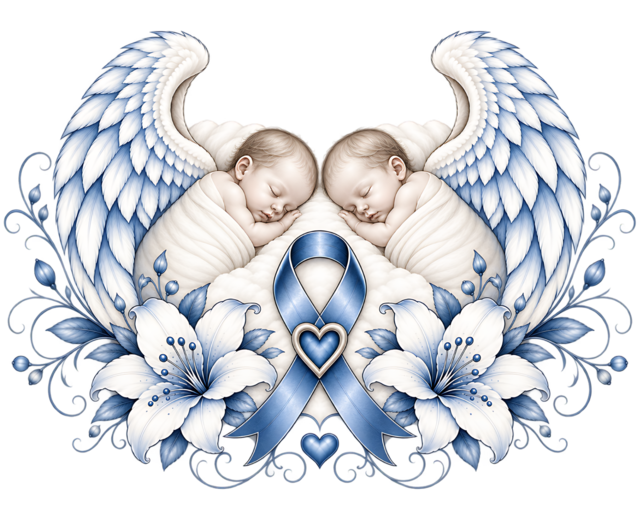
REMEMBERING EMONNEY & EMUNNEA
Emonney and Emunnea Broadway were twin baby girls born on April 12, 2004, at Johns Hopkins Hospital in Baltimore, Maryland. They entered the world together.
Their mother, Sierra Swann, was only seventeen years old and was herself a child in Maryland's foster care system. Their father, Nathaniel Broadway, was twenty four.
Sierra had received no prenatal care before the twins were born. One of the girls was delivered while Sierra was still clothed and traveling to the hospital. Her twin was delivered shortly after Sierra arrived. Despite the difficult circumstances surrounding their birth, Emonney and Emunnea were born alive and left the hospital with their mother. They should have gone home to warmth, food, medical attention and adults prepared to protect two newborn babies. Instead, their entire lives would last less than one month.
EMONNEY & EMUNNEA’S STORY
After leaving the hospital, Emonney and Emunnea lived with Sierra and Nathaniel in the basement of an abandoned rowhouse on East 31st Street in Baltimore. The basement could only be entered from outside. There was no electricity. Trash and broken furniture surrounded the family. The basement contained a crib for the twins and a mattress resting on milk crates. Outside, the property was littered with garbage and infested with rats. The twins were not receiving the care newborn babies required. When Emonney and Emunnea were born on April 12, each weighed approximately six and a half to seven pounds. During the following month, rather than gaining weight as newborn babies normally should, both girls lost approximately two pounds. By the time they died, each weighed only about four and a half to five pounds. They were starving. They were also being physically abused. On May 11, 2004, someone called for emergency help and reported that the twins were not breathing. Police and paramedics responded to the basement. Emonney and Emunnea were cold to the touch, indicating they had already been dead for some time before emergency help was summoned. They were transported to Johns Hopkins Hospital, where both girls were pronounced dead. Autopsies revealed what had happened during their extraordinarily short lives. Both babies were malnourished. Both had suffered fractured skulls. Both had broken ribs. Authorities determined that the twins had been beaten and starved. Emonney and Emunnea were twenty nine days old. Their deaths were ruled homicides. Their parents, Sierra Swann and Nathaniel Broadway, were arrested and charged in connection with the deaths of both babies. A Baltimore grand jury subsequently indicted them for first degree murder and child abuse.
SYSTEM FAILURES & WARNING SIGNS
The circumstances surrounding Emonney and Emunnea's birth should have raised serious concerns before the babies ever left the hospital. Sierra was seventeen years old. She was a foster child who had run away from her foster placement. She had received no prenatal care. And these were not her first children. Sierra and Nathaniel had another child together in 2002, when Sierra was only fourteen years old. That child had already been removed from Sierra's care after Child Protective Services found evidence of abuse. Investigators had discovered bite marks on the child's face and burn marks on the child's shoulder. Despite that history, Sierra left Johns Hopkins Hospital with newborn Emonney and Emunnea. A hospital social worker did contact Baltimore Child Protective Services. The worker asked whether there were active cases involving Sierra. Because Sierra's older child had already been removed from her custody, that case was considered closed.The hospital social worker was therefore told that there was no active case. No new investigation was initiated before the newborn twins left the hospital. Baltimore's health commissioner publicly questioned that decision after the twins died. Given Sierra's age, lack of prenatal care, foster care status and the previous removal of another child because of abuse, he believed child protection authorities should have been alerted and the twins' circumstances investigated before they were discharged. The deaths of Emonney and Emunnea became significant enough that their case was later discussed before the United States Congress during a hearing concerning failures to protect children.
The congressional record specifically identified the twins as one month old victims of child abuse and neglect and discussed Sierra's own history within the child welfare system and the need for earlier intervention with high risk families. Emonney and Emunnea lived for twenty nine days. There had been an opportunity to ask whether they were safe before they left the hospital. There had been a documented history involving another child. There had been an opportunity for intervention.
The twins went home anyway.
JUSTICE FOR EMONNEY & EMUNNEA
Sierra Swann and Nathaniel Broadway were indicted on charges of first degree murder and child abuse in connection with the deaths of their daughters. Sierra eventually pleaded guilty to two counts of child abuse resulting in death. Nathaniel's criminal case continued separately. In January 2007, sentencing proceedings concluded with Sierra receiving fifteen years in prison and Nathaniel receiving thirty years for their roles in the deaths of Emonney and Emunnea.
Sierra Swann
Relationship to Emonney & Emunnea: Mother
Conviction(s): Two counts of child abuse resulting in death
Sentence: 15 years in prison
Nathaniel Broadway
Relationship to Emonney & Emunnea: Father
Conviction(s): Child abuse resulting in death
Sentence: 30 years in prison
FOREVER REMEMBERED
Twenty nine days. That was all the time Emonney and Emunnea were given. They never celebrated their first birthdays. They never learned to crawl. They never took their first steps or spoke their first words. They never had the opportunity to develop separate personalities and interests or discover all the ways that two children born together can become completely different people. The world learned their names only after their deaths. Their injuries became evidence. Their living conditions became photographs and descriptions in news reports. Their deaths became the subject of investigations and eventually testimony before Congress. But Emonney and Emunnea were not simply an example of a broken system. They were two baby girls. They were twins who entered the world together and spent every day of their short lives together. They deserved warm beds. They deserved enough milk to grow. They deserved gentle hands holding them. And they deserved adults who recognized that two newborn babies were in danger while there was still time to save them. Emonney and Emunnea Broadway had only twenty nine days. Their names deserve far longer. Abuse Angels remembers Emonney Broadway and Emunnea Broadway. Remembered. Honored. Never Forgotten.
