May 26, 2000 – February 11, 2011
Age: 10 years old
Location: Miami-Dade County, Florida
Suspects in death: Jorge Barahona, adoptive father & Carmen Barahona, adoptive mother
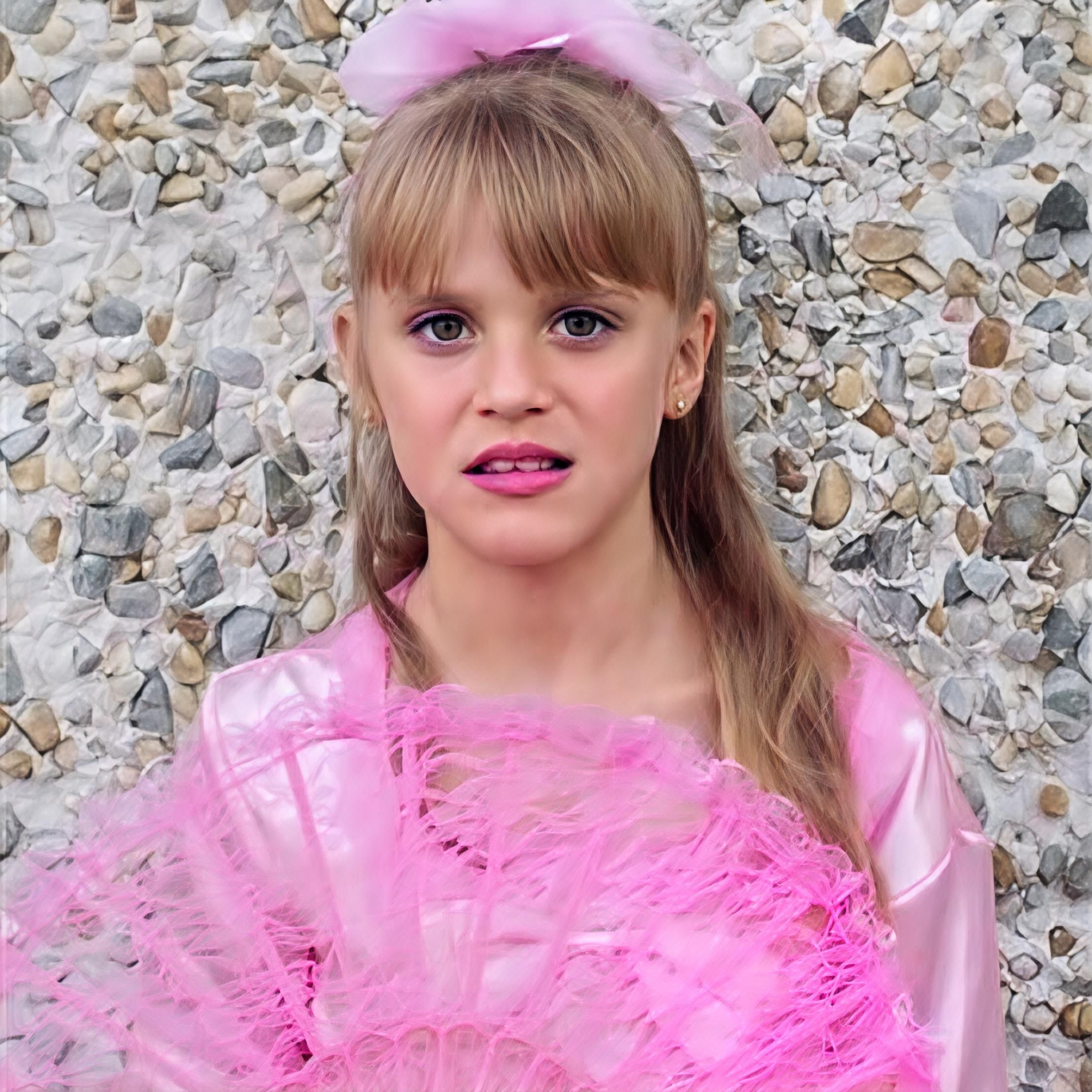
Remembering Nubia
Nubia Barahona was ten years old. She was born Nubia Docter on May 26, 2000, alongside her twin brother, Victor. The two children would spend their earliest years moving through a child welfare system that was supposed to eventually place them somewhere safe. Nubia and Victor shared something no one else could fully understand. They were twins. They entered the world together, moved through foster care together, were adopted together and ultimately endured unimaginable abuse together. Much of what has been preserved about Nubia focuses on the final years of her life. There is far less available about the things she liked, the dreams she had, or the personality of the little girl behind the headlines. That imbalance matters. Because Nubia wasn't born into this world as a child-abuse case. She was a little girl. A sister. A twin. A child who should have been going to school, making friends, developing interests, laughing, arguing with her brother, celebrating birthdays and slowly discovering who she wanted to become. Her name was Nubia Barahona. And she deserved far more than ten years.
Nubia's Story
Nubia and Victor experienced instability early in life and eventually entered foster care. They were ultimately placed with Jorge and Carmen Barahona, who later adopted them. The adoption was supposed to provide permanence. Instead, according to investigators, the twins were subjected to prolonged and systematic abuse. Authorities alleged that Nubia and Victor were repeatedly hit, punched and beaten. They were bound by their hands and feet and confined for extended periods inside the home's bathroom. At times, investigators said, the twins were kept there for days. The children became increasingly isolated. They were eventually homeschooled, removing another regular point of contact with adults outside their home. By early February 2011, Nubia and Victor were reportedly being restrained inside a bathtub. And then, finally, someone outside the home learned what was happening. On February 10, 2011, a therapist contacted Florida's child-abuse hotline. The information had come from a child in the extended family who had witnessed the twins' treatment. The report was frighteningly specific. The therapist reported that Nubia and Victor were being bound by their hands and feet and forced to remain in a bathtub for prolonged periods as punishment. A child-protective investigator went to the Barahona home. But the investigator did not see Nubia or Victor. Carmen claimed the twins were elsewhere with Jorge. The home was assessed as safe, and police were not called. Then came February 11. According to the criminal allegations, Jorge removed Nubia from the bathtub while she was still restrained and took her into a bedroom. There, prosecutors allege, Nubia was repeatedly beaten while her twin brother was present. The beating killed her. Nubia was ten years old. But even after Nubia died, the horror wasn't over. Her body was concealed. Three days later, on February 14, 2011, a roadside worker noticed Jorge's pickup truck stopped along Interstate 95 near West Palm Beach. Inside the cab was Victor. He was alive—but barely. The ten-year-old boy was suffering from chemical burns, toxic fumes and seizures. Nearby was Jorge. And in the bed of the truck, inside a black plastic bag and exposed to chemicals, authorities discovered Nubia's body. The twins who had entered the world together had endured the same home together. One survived. One did not. Victor Victor belongs in Nubia's story because the two children were subjected to the abuse together. Investigators documented evidence that Victor had suffered severe and prolonged injuries as well. When he was rescued from the truck, he had chemical burns and was convulsing. Doctors subsequently identified evidence of older injuries, including fractures, scars and marks consistent with restraint. Victor survived. He eventually recovered sufficiently to leave the hospital and was placed elsewhere. Years later, Florida lawmakers approved millions of dollars in compensation for him because of the state's failures surrounding the twins. Victor's survival also meant there was someone who could tell investigators what had happened inside the Barahona home. Nubia no longer had that chance. Her twin did.
Warning Signs & System Failures
This section of Nubia's story cannot be reduced to one missed phone call. There were warning signs before Nubia died. There had been concerns from professionals and others who encountered the children. Florida's child-welfare agency had investigated matters involving the twins before their adoption and continued to receive information after they entered the Barahona home. Then came the February 10 hotline call. This was not a vague allegation that something might be wrong. The caller described children allegedly being bound and confined in a bathtub. A DCF investigator went to the home. She spoke with Carmen. Carmen claimed she and Jorge were separated and that the twins were staying with him. That was false. The investigator did not locate Nubia and Victor before assessing the home as safe and did not contact police. Nubia was killed almost immediately afterward. After her death, Florida could no longer explain the case as one employee simply making one poor decision. The state commissioned an independent review. That panel described the failures surrounding Nubia as “fatal ineptitude.” Florida's own child-welfare leadership acknowledged that the department had made numerous mistakes. The failures included poor judgment, inadequate follow-through, failures to share information and failures to connect warning signs that existed across different parts of the system. Florida DCF later described the broader child-protection system at the time as broken, citing inconsistent processes, insufficient training and poor information sharing. Nubia's death eventually helped force changes within Florida's child-protection system. But those changes came too late for her. That's the painful truth. Nubia wasn't an invisible child. She was known to the system. She had been in foster care. She had been adopted through the system. Reports had been made. Concerns had been raised. And the day before her death, someone gave authorities extraordinarily specific information about what was allegedly happening to her and her twin brother. Nubia needed someone to find her. They didn't reach her in time.
Justice for Nubia
Both Jorge and Carmen Barahona were charged with first degree murder and numerous child abuse and neglect offenses stemming from Nubia's death and the abuse of the children. But their cases ultimately followed very different paths. Carmen Barahona In February 2020, Carmen Barahona pleaded guilty to first degree murder and aggravated child abuse charges. As part of the agreement, she agreed to cooperate with prosecutors and testify against Jorge. Her agreement called for: Life in prison. Jorge Barahona Jorge's case has taken an extraordinary amount of time. He has been jailed since 2011 while facing charges that include first degree murder, attempted first degree murder, aggravated child abuse, child neglect and abuse of a corpse. Prosecutors have sought the death penalty. The proceedings have repeatedly been delayed, including over questions concerning Jorge's competency to stand trial. In July 2025, a judge ruled him competent. In May 2026, the judge again determined that Jorge was competent and said she wanted his trial to take place in October or November 2026. His defense attorney argued that timetable was unrealistic.
Carmen Barahona
Relationship: Adoptive mother
Outcome: Pleaded guilty to first degree murder and aggravated child abuse
Sentence/agreement: Life imprisonment
Jorge Barahona
Relationship: Adoptive father
Status: Charged with first degree murder and numerous related offenses
Current status: Awaiting trial Potential penalty: Death penalty if convicted
Forever Remembered
Nubia Barahona was ten years old. Her story contains some of the worst things adults can do to a child. She was restrained. She was isolated. She was abused. She was confined inside a bathroom. And ultimately, she was killed. But those things describe what happened to Nubia. They do not describe who Nubia was. Before the investigations, court filings and government reviews, there was a little girl named Nubia. And beside her was Victor. Her twin. The person who had been there from the very beginning. They entered the world on the same day. They endured things together that no children should ever have experienced. But only Victor got the chance to leave that house alive. There should have been an eleventh birthday with both twins. Then twelve. Then thirteen. There should have been teenage years. Graduations. Adulthood. There should have been decades in which Nubia and Victor could look back together and know that whatever happened during childhood was finally behind them. Nubia never received those years. The system that was supposed to protect her failed her. The home that was supposed to become permanent and safe became the place where her life ended. But her story did not end with the discovery of a black bag in the back of a truck. Her name survived. Nubia Barahona. A daughter. A sister. A twin. A tenyear old little girl whose life mattered. Abuse Angels remembers Nubia Barahona not simply for the terrible things she endured, but for the child she was and the entire life she should have been allowed to live. We remember Nubia. We speak her name. And Nubia will not be forgotten.
