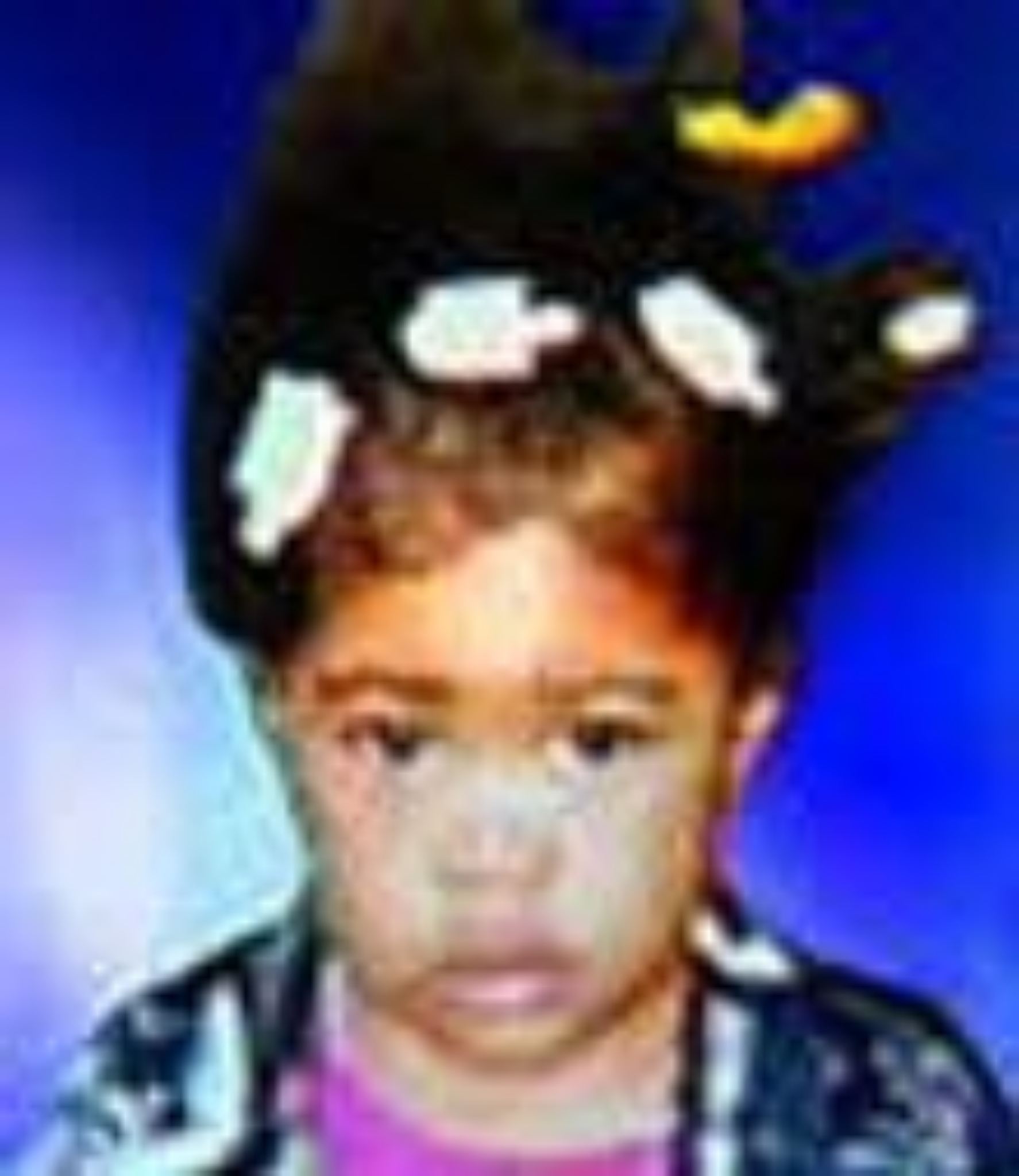
REMEMBERING PORCHIA
Porchia Bennett was three years old. She was the youngest of four sisters living together in Philadelphia. Much of what survives publicly about Porchia comes from court records, investigations and reports describing the horrific conditions in which she spent the final months of her life. But Porchia was not born into the world as a court case. She was a little girl. She had three older sisters. She should have spent those years following them around, learning from them, annoying them, laughing with them and eventually growing up beside them. Instead, her sisters became witnesses to the abuse Porchia endured. And eventually, they became witnesses to her death. She should have been protected by every adult around her. She should have had a fourth birthday. She should have had a childhood. Her name was Porchia Bennett. And before we tell the terrible truth about what happened to her, we remember that Porchia was first and foremost a little girl whose life mattered.
PORCHIA'S STORY
Porchia was born on July 7, 2000. Her family already had an extensive history with Philadelphia's Department of Human Services before she was born. Beginning in the fall of 2002, Porchia's mother, Tiffany Bennett, paid Jerry Chambers to care for her children. Eventually, Porchia and her three older sisters were living with Chambers and their aunt, Candace Geiger, with only rare visits from their mother. The conditions inside the home were appalling. The girls lived in filth. They were deprived of adequate food. They were beaten with belts, extension cords and other objects. At times, Chambers locked the children in a basement with his pit bulls. Porchia's three older sisters were also subjected to abuse, including sexual abuse. Porchia became severely malnourished. At three years old, she weighed approximately 20 pounds.
Her little body carried evidence of repeated injuries. But the violence continued.
WHAT HAPPENED TO PORCHIA
On August 17, 2003, Porchia endured another brutal assault. That night, Chambers forced the three year old to stand in a cold shower while he whipped her with an extension cord. Later, Porchia saw Chambers and Geiger having sex. The little girl was beaten again. During the assault, Chambers grabbed Porchia and threw her head first into a radiator. He then struck her, picked her up and threw her into the narrow space between a bed and the wall. Porchia's sisters were ordered not to help her.
Porchia remained trapped. Her head and neck were positioned at an angle that prevented her from breathing properly. The adults left her there. Her sisters could see her. But they had been told not to help. Porchia slowly suffocated. When authorities discovered Porchia, her body revealed much more than the final assault. The medical examiner found numerous blunt-force injuries, both old and new. Her liver had been lacerated. She was severely malnourished. The combination of bluntforce trauma, asphyxiation, prolonged starvation and physical neglect caused her death.
WARNING SIGNS & SYSTEM FAILURES
Porchia's death became one of Philadelphia's most notorious examples of a child dying after her family had already come to the attention of the child-protection system. Philadelphia's Department of Human Services had been involved with the Bennett family for years. The concerns stretched back to 1994, when one of Porchia's older sisters suffered serious injuries consistent with shaken baby syndrome. Over the following years, records documented concerns involving unstable housing, poor parenting, suspected drug use, mental-health concerns and difficulty maintaining contact with the family. Eventually, DHS lost track of the family. In 2000, the agency asked the court to end its supervision because workers reported being unable to locate them. Yet records showed that information existed that could have assisted the agency in finding the family. Porchia was born only months later. Then came one of the most devastating missed opportunities in her case. On August 14, 2003, someone called Philadelphia's child abuse hotline. The caller reported that Jerry Chambers was beating the Bennett sisters. A DHS social worker was assigned to investigate. The report required a response within 24 hours. The worker later documented attempts to visit the home. But subsequent court proceedings established that those visits did not occur as the case notes claimed. Three days after that hotline call, Porchia was dead. She had been starved, repeatedly beaten and ultimately killed in the very home DHS had been warned about. Porchia's death forced Philadelphia to confront profound failures within its child-welfare system. Investigations examined how DHS searched for missing families, handled abuse reports, documented caseworker visits and responded when vulnerable children could not immediately be located. Changes followed. But those changes came too late for Porchia. Someone had called for help. Porchia needed the adults responsible for answering that call to find her. They didn't reach her in time.
JUSTICE FOR PORCHIA
Jerry Chambers was prosecuted for Porchia's murder and for the abuse inflicted upon her sisters. In 2005, a jury convicted Chambers of first-degree murder. The evidence established that Chambers had repeatedly abused Porchia before ultimately throwing her into the radiator and leaving her trapped between the bed and wall. He was sentenced to death for Porchia's murder and received an additional 73 to 146 years for crimes committed against her sisters. The Pennsylvania Supreme Court later unanimously upheld his murder conviction and death sentence. Candace Geiger was also held criminally responsible. Geiger participated in the abuse and the fatal beating of her three year old niece. She was convicted of third degree murder and received a sentence of 17 to 34 years in prison. Porchia's mother, Tiffany Bennett, was also prosecuted. She had left Porchia and her sisters in the care of Chambers and Geiger despite the dangerous conditions surrounding her children. She was convicted of offenses involving conspiracy and endangering the welfare of her children.
Jerry Chambers
Relationship to Porchia: Caregiver and aunt's boyfriend
Conviction: First-degree murder
Sentence: Death sentence, plus 73 to 146 years for crimes against Porchia's sisters
Candace Geiger
Relationship to Porchia: Aunt and caregiver
Conviction: Third-degree murder
Sentence: 17 to 34 years in prison
Tiffany Bennett
Relationship to Porchia: Mother
Conviction: Conspiracy and endangering the welfare of her children
FOREVER REMEMBERED
Porchia Bennett was three years old. There are details in her story that are almost impossible to comprehend. A three year old weighing approximately 20 pounds.
A child being whipped with an extension cord. A little girl thrown into a radiator. Three sisters watching their youngest sister suffer while being ordered not to help her.
And a child-abuse report made only days before Porchia died. Those details need to be told because what happened to Porchia should never be softened. But they are not who Porchia was. The starvation was something done to her. The bruises were something done to her. The violence was something done to her. The failures were failures of adults. None of them defined Porchia. Porchia was a little girl. She was somebody's baby sister. There should have been four candles on her next birthday cake. There should have been kindergarten. School pictures. Friends. Teenage years. There should have been years for Porchia and her sisters to grow up together and create memories that had nothing to do with fear. Her sisters survived. And with them survived the memory of the little sister who should have survived beside them.
Porchia's death also forced a city to examine a child-protection system that had known her family, lost track of them, and then received a warning about the abuse only days before she was killed. Changes made afterward cannot give Porchia back the life she lost. But her name should remain attached to the lesson. When someone reports that a child may be in danger, finding that child can be a matter of life or death. For Porchia, it was. Her name was Porchia Bennett. Abuse Angels remembers Porchia Bennett the three year old little girl whose suffering should have ended the moment someone called for help, and whose life should have been protected long before that call ever became necessary. We remember Porchia. We speak her name. And Porchia Bennett will not be forgotten.
