September 5, 2000 – May 26, 2011
Age: 10 Years
Location: Brampton, Ontario, Canada
Suspect in death: Garfield Boothe, Father; Nichelle Rowe-Boothe, Stepmother
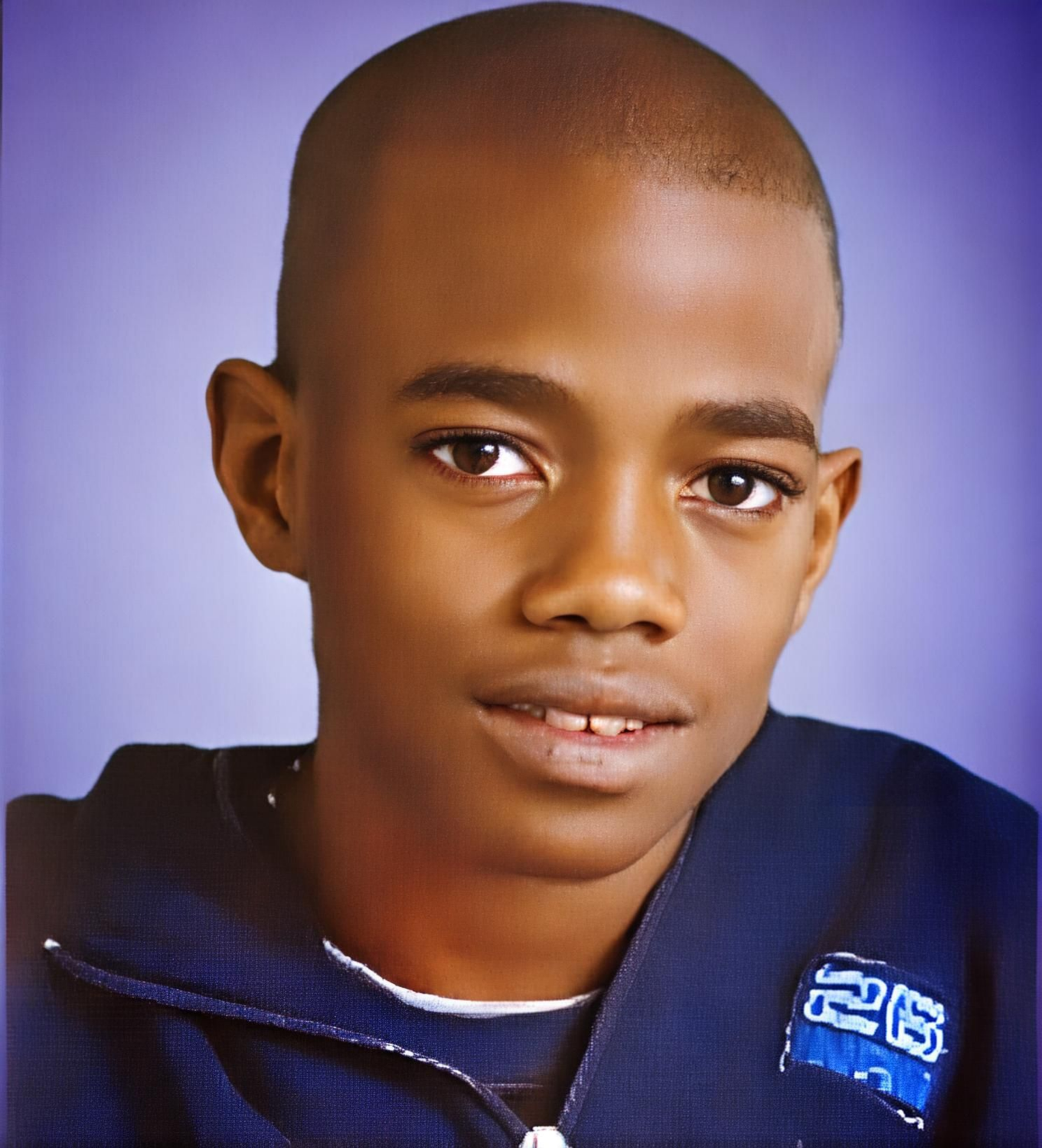
REMEMBERING SHAKEIL
Shakeil Boothe was born in Jamaica on September 5, 2000. He was raised there by his mother, Kenisha McCree, and his maternal grandmother, May Rose Grant. His family remembered him as a kind and loving little boy who had enjoyed a happy childhood in Jamaica. Shakeil was described as shy and quiet. His grandmother called him a remarkable child. In 2009, when Shakeil was eight years old, he was given the opportunity to move to Canada to live with his father. His family believed the move would give him a better life and allow him to build a relationship with his dad. Shakeil was excited to go. His grandmother later remembered that as she cried before he left, Shakeil told her that if she did not want him to go, she only had to tell him. His family let him leave because they believed he would be safe. Less than two years later, Shakeil was dead.
SHAKEIL’S STORY
Shakeil arrived in Canada in April 2009 and began living with his father, Garfield Boothe, and Garfield’s wife, Nichelle Rowe-Boothe, in Brampton, Ontario. At first, life appeared relatively normal. Shakeil attended Hanover Public School, and there were no serious concerns reported by school officials. Things changed after Garfield and Nichelle had a baby boy in September 2010. Shakeil began receiving increasingly violent punishment from his father. Garfield whipped him with a belt, eventually beating him approximately twice a week and sometimes striking him until he bled. Blood later found throughout the family home provided physical evidence of the violence Shakeil endured. Food was also withheld as punishment. Shakeil began losing weight. By the fall of 2010, he was frequently absent from school. By November, he had stopped attending entirely. His father told school officials that Shakeil was going to Jamaica and later formally withdrew him from school, claiming that he had returned there. He had not. Shakeil remained hidden inside the family's home. By November 2010, Shakeil was also being chained by his ankle to his bed. The beatings and food deprivation continued. His body accumulated injury after injury. He had scars over older scars across his legs, back, buttocks, shoulders, arms and hands. Repeated lashings damaged his skin so severely that some areas became dark, thickened and uneven. Shakeil became severely malnourished and increasingly ill. He developed serious infections, including pneumonia, but he was not taken for the medical treatment he desperately needed. As Shakeil's physical condition deteriorated, he was increasingly isolated from anyone who might notice. Neighbors stopped seeing him outside. Visitors to the home often saw no sign that he was there. Public health nurses repeatedly visited the house to provide services for the couple's new baby but were not told Shakeil lived there and saw no evidence of another child in the home. In March 2011, relatives saw Shakeil at a family gathering. He looked extremely thin and sick. He was withdrawn and barely interacted with those around him. One relative who hugged him remembered feeling his small body shaking. By then, the signs of his suffering were visible. During the final months of his life, Shakeil continued to be beaten, deprived of adequate food, confined and denied medical treatment. On May 26, 2011, he suffered another severe beating. The attack caused widespread bleeding beneath his skin and throughout the soft tissues of his body. Shakeil was already critically weakened by malnutrition, repeated injuries and serious bacterial infections. His body could no longer survive what was being done to him. Shakeil died sometime on May 26. No one called 911 that day. His death was concealed until the following afternoon. When paramedics finally entered the home on May 27, Shakeil was lying in his bed. His body was cold and rigid, and it was immediately apparent that he had been dead for some time. The postmortem examination found that Shakeil died from blunt force injuries in the setting of severe malnutrition, repeated previous trauma, pneumonia and bloodstream infection. He was ten years old.
SYSTEM FAILURES & WARNING SIGNS
There were multiple opportunities for adults outside Shakeil's home to recognize that something was wrong. His school attendance deteriorated dramatically during the fall of 2010 before stopping altogether. Garfield repeatedly provided false explanations for Shakeil's absence, eventually claiming that his son had returned to Jamaica. Because the school board did not track children reported to have moved outside Ontario, Shakeil disappeared from the school system without confirmation that he had actually enrolled elsewhere. Other adults also saw warning signs. A relative saw Shakeil chained to his bed during the fall of 2010 and confronted Garfield about it. Neighbors noticed that a child they had previously seen outside was suddenly gone from view. One neighbor later recalled seeing Shakeil outside during a snowstorm wearing oversized shoes without proper winter clothing. Public health nurses visited the home in connection with Shakeil's infant half brother, but Nichelle told them no other children lived there. Shakeil remained hidden from them. Family members who saw him in March 2011 were alarmed by how thin, sick and withdrawn he appeared. One relative decided to contact the Children's Aid Society. On May 25, 2011, only a day before Shakeil died, the Children's Aid Society received a report that he might be experiencing physical abuse. A social worker telephoned the home and spoke with a man identifying himself as Shakeil's father. The man said Shakeil was living in Oshawa. Shakeil was actually inside the Brampton home where he had been abused and isolated for months. He died the following day. Shakeil's case illustrates how isolation can allow severe abuse to remain hidden even when individual warning signs are visible to relatives, neighbors, schools, health professionals and child protection authorities. No single missed opportunity explains what happened to Shakeil. Together, however, those warning signs show how thoroughly he had disappeared from the ordinary systems and people that might otherwise have seen his deteriorating condition.
JUSTICE FOR SHAKEIL
Garfield Boothe and Nichelle Rowe-Boothe were prosecuted for Shakeil's death. During their trial, each attempted to place responsibility on the other. The evidence showed that Shakeil had endured months of escalating abuse, starvation, confinement and medical neglect inside the home in which both adults lived.
The judge later found beyond a reasonable doubt that Garfield inflicted the final beating that caused Shakeil's death and that he had been the primary person physically abusing him. Nichelle was found to have participated in the abuse and neglect and failed to obtain medical care or protect Shakeil despite knowing what was happening to him. On April 5, 2014, both were convicted of second degree murder. Both received mandatory life sentences.
Garfield Boothe
Relationship to Shakeil: Father
Conviction(s): Second degree murder
Sentence: Life imprisonment with no eligibility for parole for 18 years
Nichelle Rowe-Boothe
Relationship to Shakeil: Stepmother
Conviction(s): Second degree murder
Sentence: Life imprisonment with no eligibility for parole for 13 years
FOREVER REMEMBERED
Shakeil left Jamaica believing he was beginning a new chapter of his childhood. The people who raised him let him go because they believed he would have opportunities in Canada and the chance to know his father. His grandmother would later remember the little boy who noticed her tears before he left and told her that if she wanted him to stay, she only had to say so. She could not have known what awaited him. For months, Shakeil was gradually removed from the world around him. He disappeared from school. He disappeared from his neighborhood. He was hidden from visitors and health professionals. Eventually, almost no one outside the home could see what was happening to him. But Shakeil should never disappear from memory. He was a kind and loving boy who had a family in Jamaica waiting for him to come home. In the end, only his body returned. Abuse Angels remembers Shakeil Boothe. Remembered. Honored. Never Forgotten.
