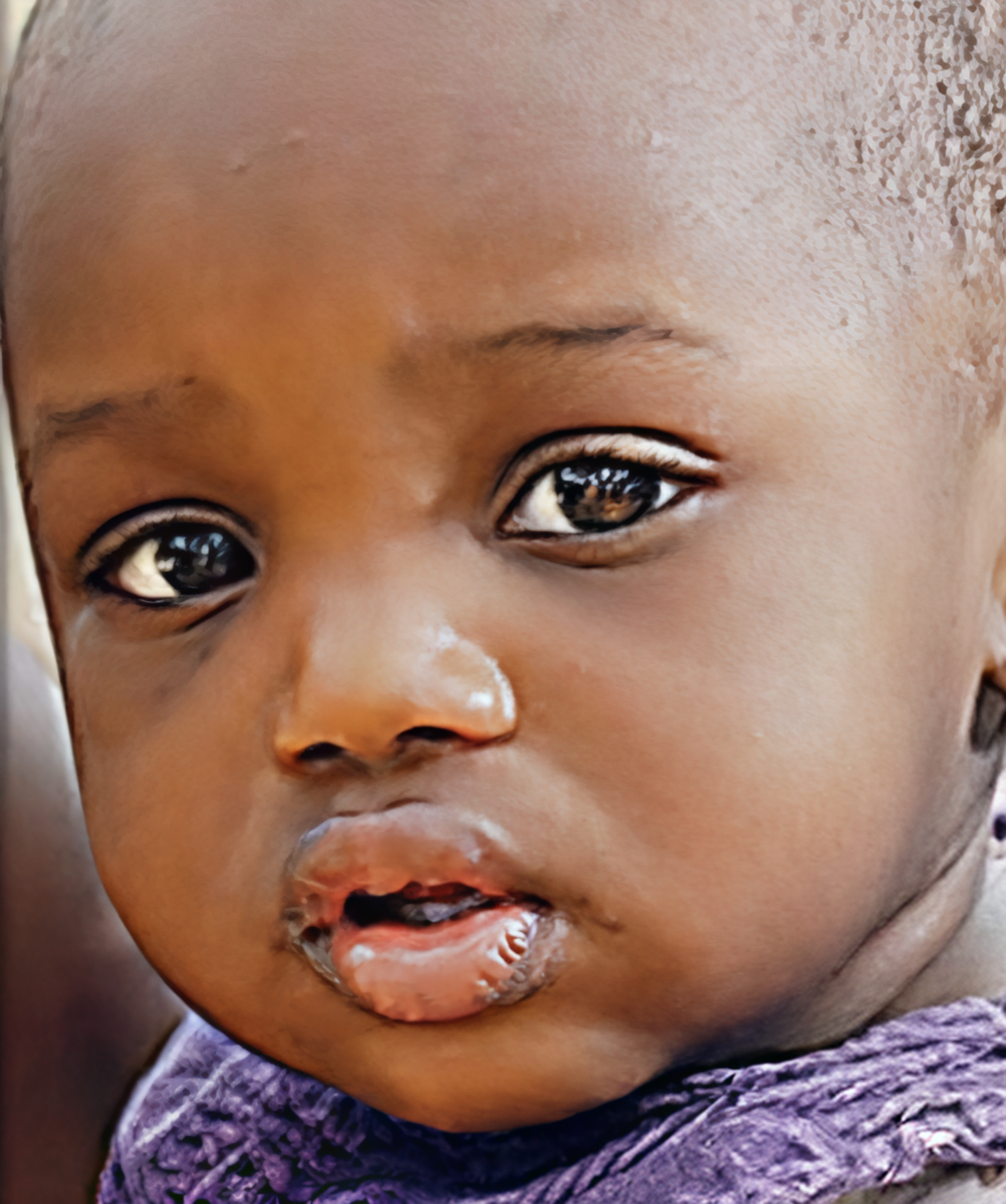
Remembering Trycia
Trycia Balhous was two years old. She was born in Pontoise, France, on January 24, 2005. By the end of 2006, Trycia and her mother had moved from France to England and were living in Barking, East London. Very little has survived publicly about the things Trycia loved, the toys she played with, the sound of her laugh or the personality that was beginning to emerge. That absence matters. Because Trycia was more than the terrible circumstances surrounding her death. She was a toddler. At two, she should have been learning new words, becoming more independent, playing, exploring and discovering the world around her. There should have been photographs and birthdays. There should have been preschool. There should have been an entire childhood. Her name was Trycia Balhous. She lived for only two years. And even when history preserves more information about a child's death than her life, Abuse Angels will remember the child who came first.
Trycia's Story
Trycia lived with her mother, Galtricia Ntsimbi, in a flat in Barking. There had already been serious concerns about Ntsimbi's behavior. Trycia's father reportedly described his former partner as detached from reality. More disturbingly, he reported having previously seen her throw baby Trycia against a wall. Despite those concerns, French authorities had granted Trycia's mother custody. After moving to England, Ntsimbi's behavior reportedly became increasingly erratic. Neighbors described concerning behavior, and in August 2007 she was arrested following incidents involving a local shopkeeper. A police doctor examined her. What he found was serious. He believed Ntsimbi might be suffering from a fixed delusional disorder and concluded that she needed additional attention. A referral was made to social services. But that follow-up did not happen. Only days later, on August 14, 2007, Trycia was inside the family's Barking flat with her mother. Ntsimbi attacked her two year old daughter with a knife. Trycia was stabbed five times. Her injuries included wounds to her chest, arm and back. Ntsimbi then stabbed herself multiple times. Police were called to the home. Inside, they found Trycia and her mother covered in blood, with a large knife on the floor. Trycia had suffered catastrophic blood loss. She died from hemorrhaging and shock caused by the stab wounds.
Warning Signs & System Failures
What makes Trycia's death particularly painful is how close authorities came to recognizing that something was terribly wrong. Only days separated a professional warning about her mother's mental state from Trycia's death. Five days before the killing, Ntsimbi had been arrested after harassing a shopkeeper. The police doctor who examined her believed she was experiencing a fixed delusional disorder. He recommended follow up. She was referred to Barking and Dagenham social services. But there were difficulties arranging a French interpreter for follow up meetings. Ntsimbi was released on bail without charge. The recommended intervention did not occur. Then Trycia was killed. At the Old Bailey, Judge David Paget QC openly addressed the missed opportunity. Looking back at the police doctor's warning, he said more precise follow-up might have prevented the tragedy. There had also reportedly been concerns before mother and daughter ever arrived in England. Trycia's father had reported seeing Ntsimbi throw Trycia against a wall and had raised concerns about her mental state, yet custody remained with her mother. No one can know with certainty what would have happened had every warning produced a different response. But the warning signs were there. And Trycia was two years old. She could not arrange an interpreter. She could not request another psychiatric assessment. She could not call social services and explain that she was unsafe. She needed adults to recognize the danger around her and protect her. They did not reach her in time.
Justice for Trycia
Galtricia Ntsimbi survived her self-inflicted injuries and was prosecuted for her daughter's death. The criminal proceedings also documented the severity of her psychiatric illness. Medical experts concluded that Ntsimbi had been suffering from paranoid schizophrenia when she killed Trycia. One psychiatrist described the attack as unplanned, unprovoked and impulsive and said Ntsimbi remained mentally ill and required treatment. Ntsimbi ultimately pleaded guilty to: Manslaughter on the grounds of diminished responsibility. Rather than imposing an ordinary prison sentence, Judge David Paget ordered that she be detained indefinitely in a secure psychiatric hospital for public safety. She was sent to the John Howard Centre in Hackney.
Galtricia Ntsimbi
Relationship to Trycia: Mother
Conviction: Manslaughter on grounds of diminished responsibility
Outcome: Indefinite detention in a secure psychiatric hospital
The legal outcome recognized two realities at once: Trycia had been unlawfully killed. And the person who killed her was suffering from severe mental illness at the time. Neither reality changes what Trycia lost.
Forever Remembered
Trycia Balhous lived for two years. Her story is particularly difficult because the historical record tells us so much about the adults surrounding her and so little about Trycia herself. We know about psychiatric evaluations. We know about social service referrals. We know about custody decisions. We know about police. We know about court. And we know exactly how Trycia died. But we don't know nearly enough about the little girl who lived before August 14, 2007. What made Trycia laugh? Did she have a favorite toy? What words had she learned? What food did she love? What did she do when she was excited? Those pieces of her childhood were never preserved in the newspaper reports. And that is precisely why her name matters. Trycia Elyjha Tatiana Balhous. Not simply "the two year old victim." Trycia. A little girl born in France in January 2005. A little girl who moved across the English Channel before she was old enough to understand what countries even were. A little girl entirely dependent upon adults to keep her safe. There should have been a third birthday. There should have been school. There should have been friendships, photographs and years in which Trycia could create memories of her own. Instead, her life ended at two. The records may not have preserved enough about the child Trycia was.
But they preserved her name. And Abuse Angels will continue to say it. Trycia Balhous. She was here. She mattered. And she deserved to grow up.
