Cora Marie Clancy
December 24, 2017 – January 24, 2023
Age: 5 years old
Dawson William Clancy
September 30, 2019 – January 24, 2023
Age: 3 years old
Callan Patrick Clancy
May 26, 2022 – January 27, 2023
Age: 8 months old
Location: Duxbury, Massachusetts
Suspect in deaths: Lindsay Clancy, mother
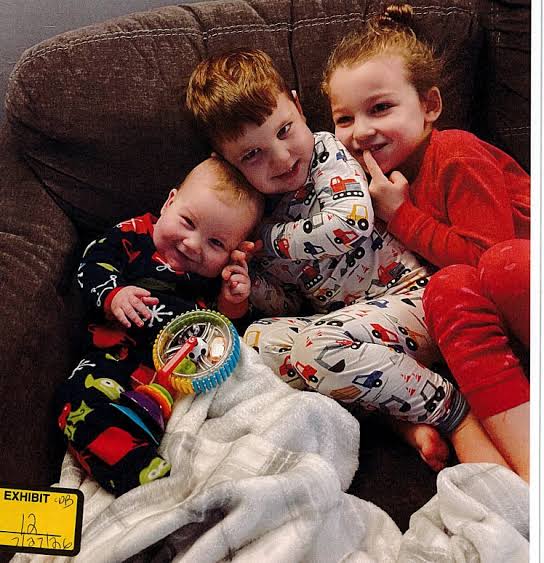
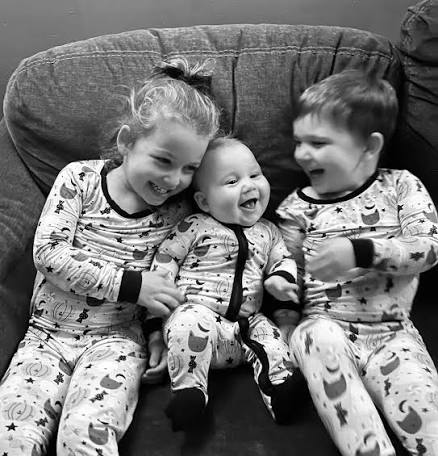
REMEMBERING CORA, DAWSON & CALLAN
Cora, Dawson and Callan Clancy were three siblings who should have had an entire childhood together. Cora was five years old. She was caring, cautious and loving. She enjoyed princesses and dressing up, and she loved being a big sister. Dawson was three. He was energetic, affectionate and adventurous. He loved trucks and firefighters and was reaching the age when every new thing he learned to do felt like an accomplishment. Callan was eight months old. The baby of the family was affectionately known as “Happy Callan” because of his cheerful personality and frequent smile. They were at three completely different stages of childhood. Cora was old enough to have interests, conversations and memories. Dawson was becoming increasingly independent and discovering what he could do for himself. Callan was still a baby, just beginning to reveal his personality to the people who loved him. Together, they were a sister and two brothers. They should have grown up beside one another.Instead, all three of their lives ended within three days of each other in January 2023. Their names would become known around the world because of the circumstances surrounding their deaths. But they were children before they were the center of a criminal case. They were Cora. They were Dawson. They were Callan.
CORA, DAWSON & CALLAN'S STORY
January 24, 2023, began as an ordinary day in the Clancy family's home in Duxbury, Massachusetts.
Cora had a doctor's appointment that morning. Dawson accomplished something that made him proud: the three-year-old had managed to dress himself completely on his own. Photographs were taken of the children that day. Nothing about those ordinary childhood moments suggested that Cora, Dawson and Callan were living the final hours of their lives. Their mother, Lindsay Clancy, had been struggling with her mental health during the months following Callan's birth. She had sought help from multiple mental health providers, tried numerous psychiatric medications, contacted a suicide hotline, gone to an emergency room and voluntarily admitted herself to a psychiatric hospital. Exactly what Lindsay was experiencing, and whether she was psychotic at the time of the children's deaths, would later become one of the central disputes in her criminal case. On the evening of January 24, Lindsay asked the children's father, Patrick Clancy, to leave the house to pick up medication and food. While he was gone, Lindsay was alone with Cora, Dawson and Callan. All three children were strangled with exercise resistance bands inside their home. Afterward, Lindsay allegedly jumped from a second story window in an apparent attempt to end her own life. When Patrick returned home, he discovered Lindsay seriously injured outside and then found the children inside the home. Emergency help was summoned and attempts were made to save them. Cora and Dawson died on January 24, 2023. Callan was still alive. The eight month old baby was rushed for emergency medical treatment and later transferred to Boston Children's Hospital. For three days, Callan remained alive. On January 27, 2023, he died from his injuries. Within three days, Cora, Dawson and Callan were all gone.
THE QUESTION OF LINDSAY'S MENTAL HEALTH
There is no dispute that Lindsay Clancy killed Cora, Dawson and Callan. Her attorneys have acknowledged that fact. The unresolved legal question is whether she was criminally responsible for her actions. In the months before the children's deaths, Lindsay repeatedly sought help for worsening psychiatric symptoms. She saw numerous medical and mental health providers, was prescribed several psychiatric medications, sought emergency treatment, contacted a suicide hotline and voluntarily admitted herself to a psychiatric hospital. She also attempted to enter a specialized full day treatment program for women experiencing mental health problems related to pregnancy and childbirth but was not accepted into that program. After the children's deaths, Lindsay's defense maintained that she had been suffering from postpartum psychosis and bipolar disorder. A forensic psychologist testifying for the defense said Lindsay was suffering from a mental disease or defect and was unable to appreciate the wrongfulness of killing her children. The defense maintained that she experienced hallucinations and believed a voice instructed her to kill Cora, Dawson and Callan and then herself. Prosecutors disputed that interpretation. They acknowledged Lindsay's documented mental health struggles but argued that she was not psychotic when she killed the children. Providers who treated Lindsay before the deaths testified that they had not observed signs of psychosis or mania during their interactions with her. Prosecutors also argued that Lindsay's actions demonstrated planning and an understanding of what she was doing, including arranging for Patrick to leave the home. The defense argued that those actions did not establish criminal responsibility and maintained that Lindsay's psychiatric illness had been misunderstood and inadequately treated. Those competing interpretations were ultimately placed before a jury. Abuse Angels does not present either side's interpretation as established fact. Lindsay's significant mental health treatment before the children's deaths is documented. Whether her mental condition met Massachusetts's legal standard for lack of criminal responsibility remained for the courts to determine.
THE FIRST TRIAL
Lindsay Clancy was charged with three counts of murder and three counts of strangulation. She pleaded not guilty by reason of lack of criminal responsibility. Her first trial began in the summer of 2026 in Plymouth County Superior Court. For approximately six weeks, jurors heard extensive evidence concerning both the deaths of the children and Lindsay's mental condition. More than 80 witnesses testified and approximately 300 exhibits were introduced. The prosecution argued that Lindsay intentionally killed her children and understood that what she was doing was wrong. The defense argued that she was suffering from postpartum psychosis and was not criminally responsible for the killings. The jury was not being asked simply to determine whether Lindsay killed Cora, Dawson and Callan. That fact was not disputed. Jurors instead had to determine whether she was legally criminally responsible when she did so. Deliberations began on August 27, 2026. After days of deliberation, the jury remained divided. During the sixth day, the jury foreperson told the judge that one juror was refusing to follow the court's instructions concerning reasonable doubt. The defense sought to have the juror removed and later sought emergency intervention from the Massachusetts Supreme Judicial Court. Those efforts were unsuccessful. On September 4, 2026, after seven days of deliberations without a unanimous verdict, Judge William Sullivan declared a mistrial. The first trial therefore ended without a conviction and without an acquittal.
CASE UPDATE
On September 4, 2026, Lindsay Clancy's first trial ended in a mistrial after jurors were unable to reach the unanimous decision required for a verdict. The mistrial did not find Lindsay guilty, nor did it find her not guilty. She remains charged in the deaths of Cora, Dawson and Callan. The case is scheduled to return to court on September 29, 2026. Abuse Angels will update this memorial as the criminal case continues
FOREVER REMEMBERED
The deaths of Cora, Dawson and Callan have become connected to a much larger public conversation about postpartum mental illness, psychiatric treatment and criminal responsibility. Their mother's case has generated debate that will likely continue as the legal process moves forward. But Cora, Dawson and Callan are more than the case people argue about.
Cora was five. She loved princesses, dressing up and being a big sister. She should have grown from a little girl into a teenager and then an adult, with years to decide for herself who she wanted to become.
Dawson was three. He loved trucks and firefighters. On the last morning of his life, he was proud because he had dressed himself without help. There should have been thousands more accomplishments after that one.
Callan was eight months old. He was “Happy Callan.” He should have learned to walk and talk. He should have grown old enough to understand what it meant to have a big sister and big brother who had been beside him since the beginning of his life.
Cora should have watched Dawson and Callan grow. Dawson should have grown up with a big sister ahead of him and a little brother behind him. Callan should have spent years trying to keep up with both of them. They should have fought over toys. They should have annoyed each other. They should have laughed together. They should have celebrated birthdays together. They should have grown up together.
THE CLANCY FAMILY PLAYGROUND
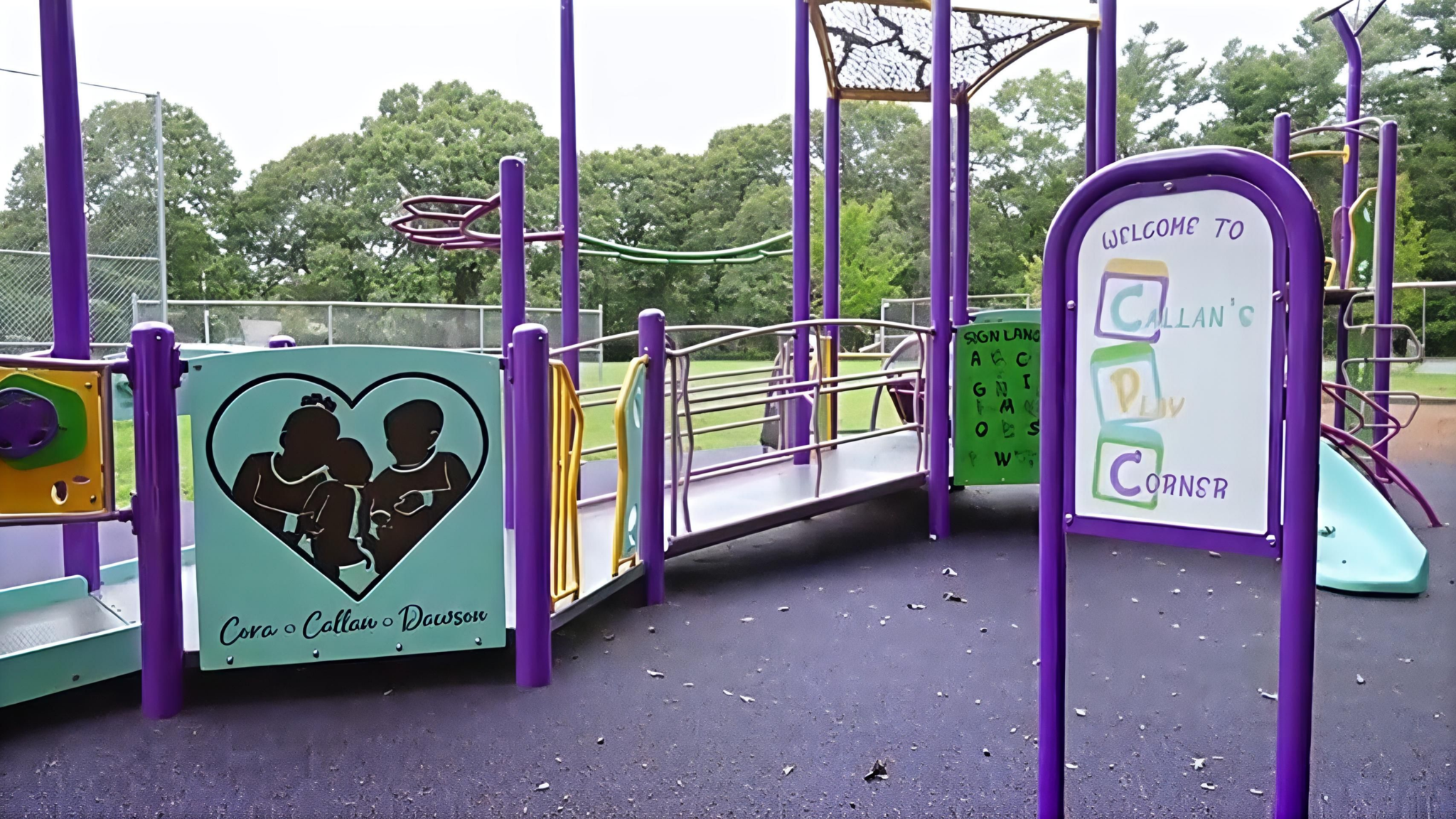
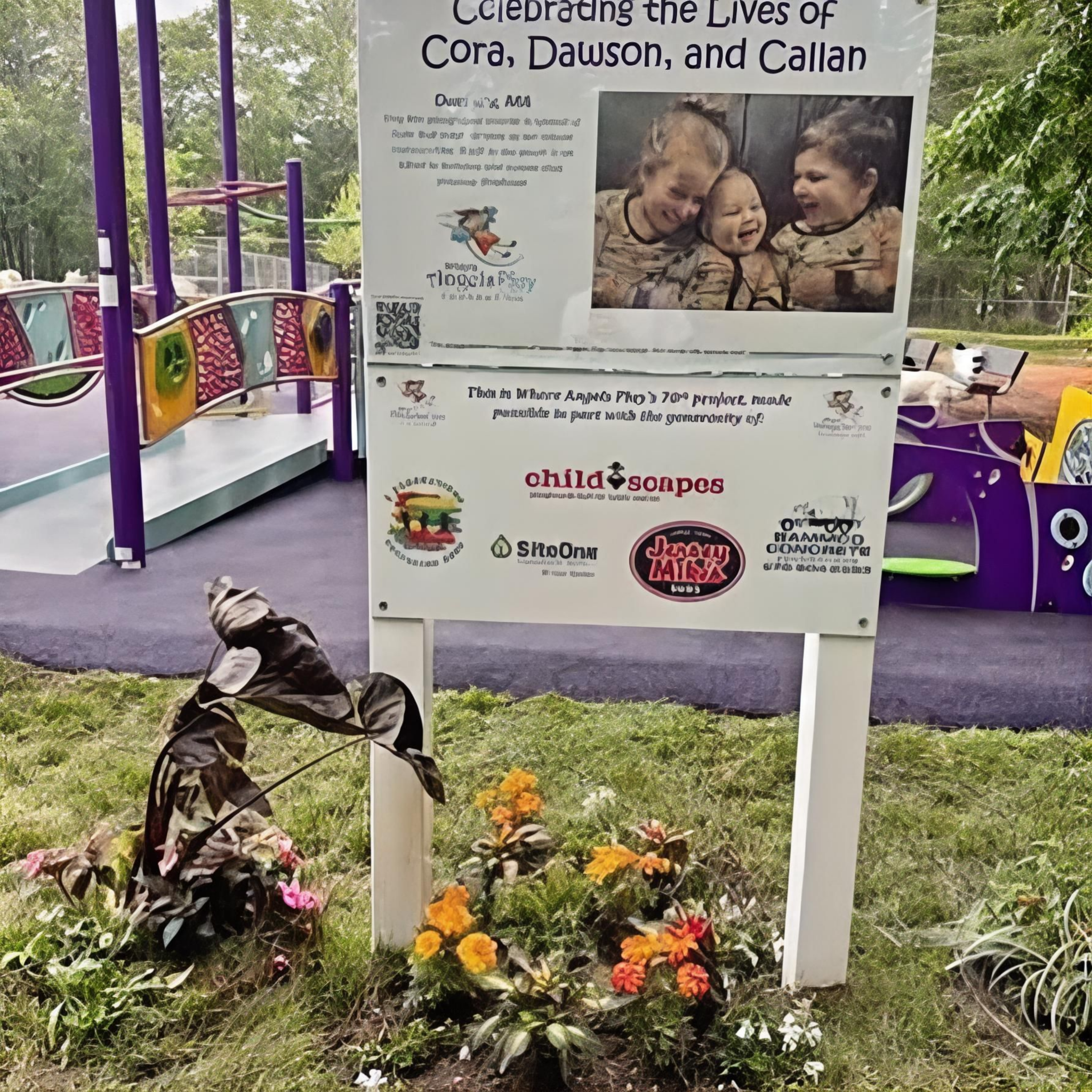
In June 2025, the Clancy Family Playground opened at Wadsworth Field Park in Duxbury, creating a permanent place in the community dedicated to the memories of
Cora, Dawson and Callan. The effort to create the playground began with the Clancy Children Playground Committee, a group of local women who worked to raise
funds and partnered with the Where Angels Play Foundation. The completed playground was built over four days with the help of hundreds of volunteers, with the
HEARD Foundation and Where Angels Play helping bring the project to completion. Throughout the playground are details chosen to reflect the children themselves.
Purple, Cora's favorite color, appears throughout the playground, along with touches inspired by things she loved. Dawson, who loved firefighters and first responders,
is remembered with a firefighter panel. A toddler area called Callan's Corner was created for the youngest of the three siblings. Three trees were also planted in their
memory, one for each child. Their photographs and names appear at the playground, and angel wings are incorporated throughout the space. It is a place filled with
something Cora, Dawson and Callan should have had much more of themselves, childhood. Children climb. They run. They laugh. Families make memories there. And
in the middle of all of it are the names of Cora, Dawson and Callan.
TOGETHER IN MEMORY
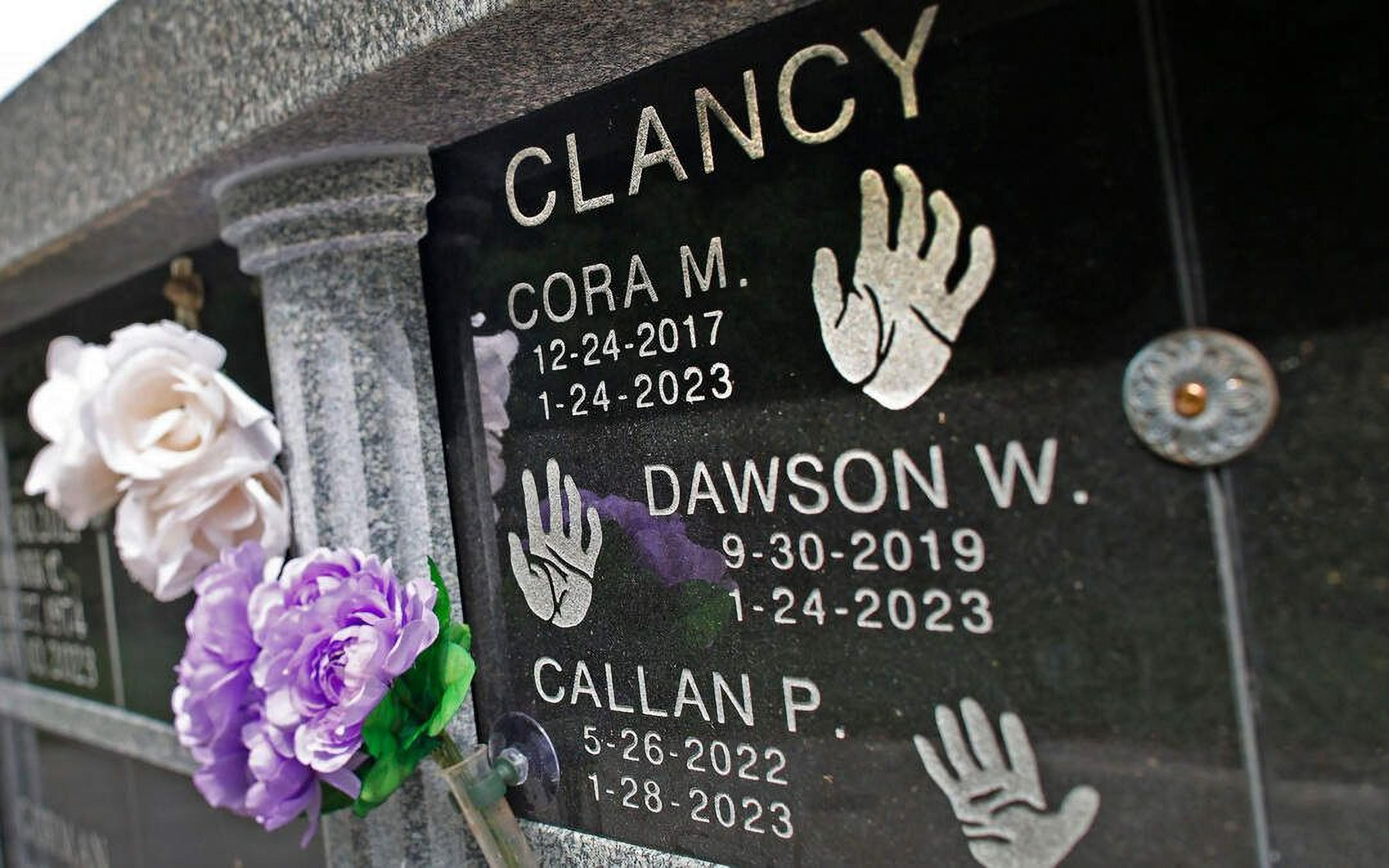
Cora, Dawson and Callan are memorialized together, just as they lived as siblings. Their headstone bears all three of their names, preserving them together in memory:
Cora Marie Clancy, Dawson William Clancy and Callan Patrick Clancy. A note about Callan's date: Callan's date of death is incorrectly engraved on the family headstone. His correct date of death is January 27, 2023. The engraving has not been corrected. Whatever conclusion a courtroom eventually reaches about Lindsay Clancy's criminal responsibility cannot return the childhoods that were taken from Cora, Dawson and Callan. Whatever opinions people hold about the adults surrounding their case, those disagreements should never overshadow the three children at its center. Cora lived for five years. Dawson lived for three. Callan lived for eight months. They were a daughter and two sons. A sister and two brothers. Three individual children whose lives were worth infinitely more than the circumstances of their deaths. Abuse Angels remembers Cora Marie Clancy. We remember Dawson William Clancy. We remember Callan Patrick Clancy. We remember the childhood they shared and all the years they should have had together. Cora, Dawson, Dawson Clancy and Callan Clancy are remembered, honored and never forgotten.
