March 2012 – September 20, 2012
Age: 6 months old
Location: Great Falls, Montana
Suspect in death: Greg Robey, mother's boyfriend
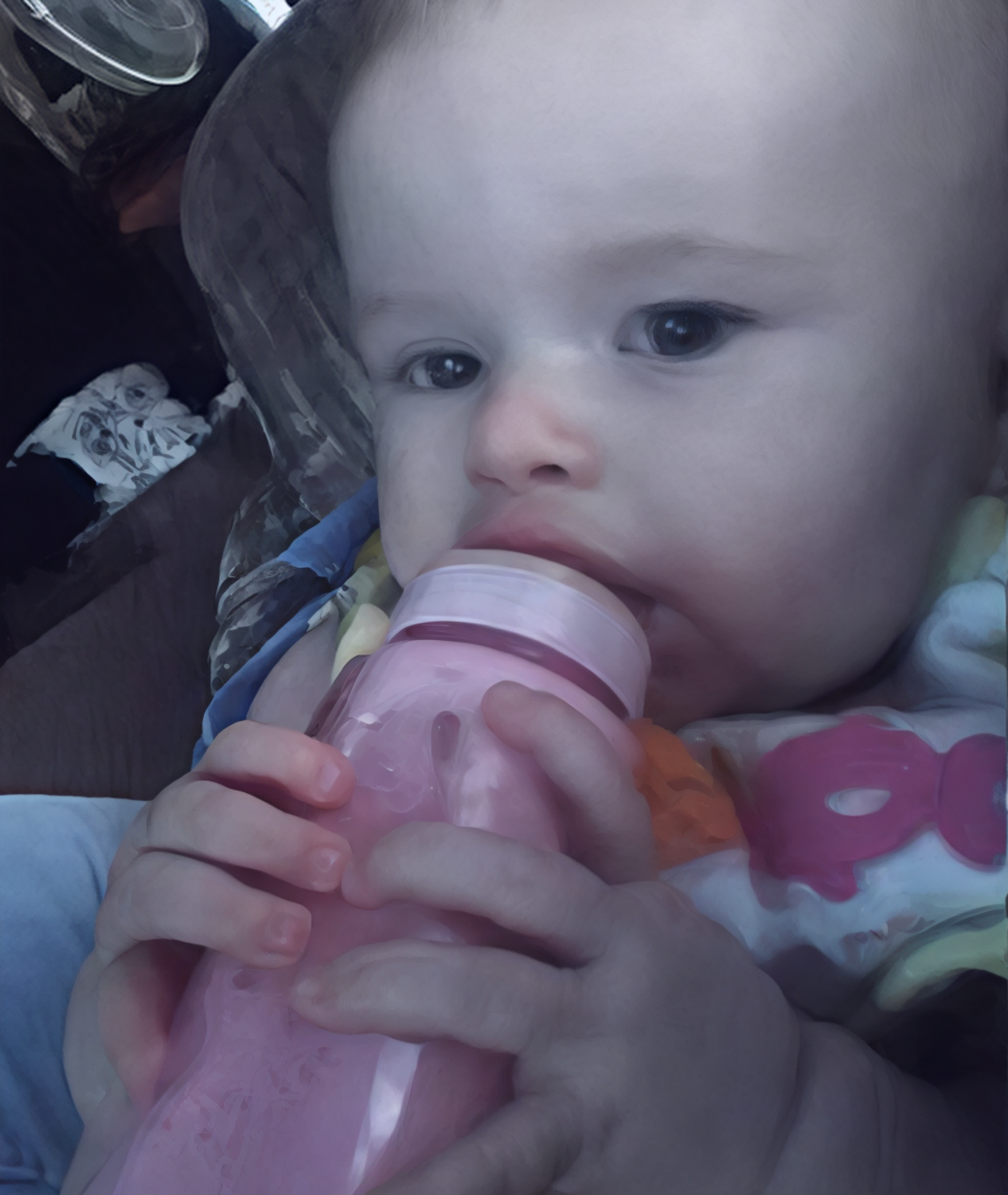
REMEMBERING BROOKLYNN
Brooklynn Eskew was only six months old when she died. She was still an infant, completely dependent upon the adults around her for everything she needed.
At six months old, Brooklynn should have been discovering the world one tiny piece at a time. She should have been learning familiar voices and faces, reaching for toys, laughing, rolling and growing stronger with each passing week. Instead, Brooklynn suffered a catastrophic injury before she ever had the opportunity to celebrate her first birthday. Much of the public record surrounding Brooklynn focuses on the complicated criminal case that followed her death and, particularly, on the wrongful conviction of her mother. But Brooklynn's story should not disappear behind that legal history. Before there was a police interrogation, a trial, an appeal or an exoneration, there was a six month old baby girl named Brooklynn. Her life was short. Her life mattered. And she deserves to be remembered separately from everything that happened after she was gone.
BROOKLYNN'S STORY
On September 18, 2012, Brooklynn was at home in Great Falls, Montana, with her mother, Jasmine Eskew, and Jasmine's relatively new boyfriend, Greg Robey. Robey had entered their lives only a few weeks earlier. That day, Brooklynn became unresponsive and stopped breathing. Jasmine called 911. As paramedics arrived at the home, Robey was seen leaving. Brooklynn was rushed to Benefis Health System in Great Falls. Doctors discovered that she had suffered a severe brain injury with bleeding beneath the protective covering of her brain. She also had retinal injuries. At first, medical personnel believed Brooklynn might have been violently shaken. Because doctors suspected child abuse, police were called. Jasmine was at the hospital with her mother and a friend.She told police that Brooklynn had been in her infant activity saucer when she began crying. Jasmine said she picked her daughter up and rocked her. Police decided Jasmine's explanation did not account for the severity of Brooklynn's condition. Instead of allowing Jasmine to accompany her critically injured daughter, officers took her to the police station for questioning. Brooklynn was transferred by air ambulance to Sacred Heart Children's Hospital in Spokane, Washington. There, doctors discovered something that fundamentally changed the understanding of her injuries. Brooklynn's skull was fractured. She had suffered a severe blunt force impact to her head. Her injuries were fatal. On September 20, 2012, two days after her mother called 911, Brooklynn died at Sacred Heart Children's Hospital. An autopsy determined that Brooklynn's brain injuries had been caused by a single blow to her head. Importantly, the autopsy found no injury caused by shaking. By then, however, Brooklynn's mother was already in jail.
THE INVESTIGATION INTO BROOKLYNN'S DEATH
What happened during the investigation of Brooklynn's death eventually became almost as significant as the criminal case itself. While Brooklynn was fighting for her life, Jasmine was taken into an interrogation room. She was 21 years old. She was crying and repeatedly asking to see her baby. Police told Jasmine that they needed her to explain exactly what had happened so doctors could properly treat Brooklynn. They told her that she was the person who could help her daughter and suggested that failing to provide the answers they wanted was hurting Brooklynn. They also told Jasmine that once they finished talking, she could return to her daughter. Jasmine repeatedly denied shaking Brooklynn. Officers eventually gave her a doll and instructed her to demonstrate how she had handled the baby. After hours of questioning and repeated pressure to change her demonstration, Jasmine finally demonstrated shaking the doll and said she had shaken Brooklynn. She was arrested. She never saw her daughter alive again. Later medical evidence presented a profound problem. Brooklynn had not died from an injury caused by shaking. Her skull had been fractured by a single blunt force impact. The confession police had obtained did not explain the injury that actually killed her.
THE QUESTION OF WHO HURT BROOKLYNN
Jasmine Eskew was initially charged with deliberate homicide and felony assault on a minor. At her 2014 trial, however, her attorneys argued that another person needed to be considered. Greg Robey. Robey had been caring for Brooklynn during the hours before Jasmine discovered that her daughter was not breathing, according to the National Registry of Exonerations. He was also at the home when emergency responders were approaching and was seen leaving as they arrived. The defense argued that the circular injury in Brooklynn's skull corresponded with a ring Robey wore. They presented Robey, rather than Jasmine, as the person responsible for the fatal blow. Robey denied harming Brooklynn. That distinction is important on Brooklynn's memorial. No court ultimately convicted Greg Robey of killing Brooklynn.
It would therefore be inaccurate to present his responsibility as a proven fact. But it would be equally inaccurate to tell Brooklynn's story as though her mother was ultimately established to have killed her. She was not. The jury acquitted Jasmine of deliberate homicide. Years later, her remaining conviction was overturned, the prosecution dismissed the case and Jasmine became recognized by the National Registry of Exonerations as having been wrongfully convicted.
JUSTICE FOR BROOKLYNN
The search for justice for Brooklynn became complicated almost immediately after she was taken to the hospital. When Brooklynn arrived at the hospital on September 18, 2012, doctors initially suspected that her brain injuries had been caused by violent shaking. Police took her mother, Jasmine Eskew, from the hospital to the police station for questioning. Jasmine repeatedly denied hurting Brooklynn. During an interrogation lasting approximately four hours, investigators told Jasmine that they needed her to explain what had happened so doctors could properly treat Brooklynn. They repeatedly challenged her account and eventually gave her a baby doll, asking her to demonstrate how she had handled her daughter. Jasmine ultimately demonstrated shaking the doll and said she had shaken Brooklynn. She was arrested. Jasmine never saw her daughter alive again. Brooklynn was transferred to a hospital in Spokane, Washington, where doctors discovered a skull fracture that had not initially been recognized. After Brooklynn died, an autopsy revealed something critically important. Brooklynn had died from brain injuries caused by a single blunt force blow to her head. The autopsy found no evidence that she had suffered an injury caused by shaking. Despite the difference between Jasmine's interrogation statements and Brooklynn's actual injuries, prosecutors charged Jasmine with deliberate homicide and felony assault on a minor. Her trial began in March 2014. The prosecution relied heavily upon Jasmine's statements to police. The defense argued that Jasmine's boyfriend, Greg Robey, was responsible for Brooklynn's fatal injury.
Robey had been with Brooklynn during the hours before Jasmine discovered that her daughter was not breathing. The defense also argued that the circular injury to Brooklynn's skull corresponded with a ring Robey wore.Robey denied harming Brooklynn. On April 1, 2014, the jury reached a split verdict. Jasmine was found not guilty of deliberate homicide. She was convicted of felony assault on a minor and sentenced to five years in prison. But the case was not over. Jasmine appealed her conviction. On February 28, 2017, the Montana Supreme Court reversed it. The court determined that Jasmine's incriminating statements had been obtained through an interrogation involving deliberate psychological coercion, lies and material misrepresentations. The court concluded that her statements were not voluntary and should not have been admitted against her. Jasmine was released on March 14, 2017. Rather than prosecute her again without the confession, prosecutors dismissed the charge on March 30, 2017. Jasmine's conviction no longer stood. She was later recognized by the National Registry of Exonerations as having been exonerated in Brooklynn's case. The defense had maintained that Greg Robey was responsible for the blow that killed Brooklynn. but Robey was never convicted of causing her death. That leaves Brooklynn's case without the resolution she deserved. A six month old baby suffered a fatal blunt force injury. Her mother was prosecuted and imprisoned, only to have her conviction overturned and the charge dismissed. The man her defense identified as responsible denied harming Brooklynn and was never convicted in connection with her death. After years of investigation, prosecution and appeals, no one was ultimately held criminally responsible for the fatal injury that took Brooklynn's life.
Jasmine Eskew
Relationship to Brooklynn: Mother
Original charges: Deliberate homicide and felony assault on a minor
Trial outcome: Acquitted of deliberate homicide and convicted of felony assault on a minor
Original sentence: 5 years in prison
Final outcome: Conviction overturned in 2017 and charge dismissed
Current status: Exonerated
Greg Robey
Relationship to Brooklynn: Mother's boyfriend
Allegation: Identified by the defense as the person they believed caused Brooklynn's fatal injury
Charges in Brooklynn's death: None verified
Conviction: None
Sentence: None
FOREVER REMEMBERED
Brooklynn's death left behind two different tragedies. The first belongs entirely to her. A six month old baby suffered a devastating blow to her head and died two days later. She lost everything that should have followed those first six months. Her first birthday. Her first words. Her first steps. Her first day of school. An entire lifetime.
The second tragedy unfolded after Brooklynn was already mortally injured. The search for the person responsible became focused on an explanation that ultimately did not match the physical injury that killed her. Years of litigation would eventually establish that her mother's incriminating statements were obtained through coercive interrogation tactics. That matters.But Brooklynn matters independently of it. Her memorial should not exist merely as the beginning of someone else's wrongful conviction story. Brooklynn was the victim at the center of everything. She was unable to tell doctors how she had been injured. She could not tell police who had hurt her. And after all the interrogations, testimony, expert opinions, trials and appeals, no one was ultimately held criminally responsible for the blow that ended her life.
Brooklynn deserved an answer. She deserved justice. Most of all, she deserved to live. Abuse Angels remembers Brooklynn Eskew, the six month old baby girl whose life was taken before it had truly begun. We remember Brooklynn. We speak her name. And Brooklynn Eskew will not be forgotten.
