2011 – February 4, 2014
Age: 2 years old
Location: Far Rockaway, Queens, New York
Suspect in death: Ashley Diaz, mother
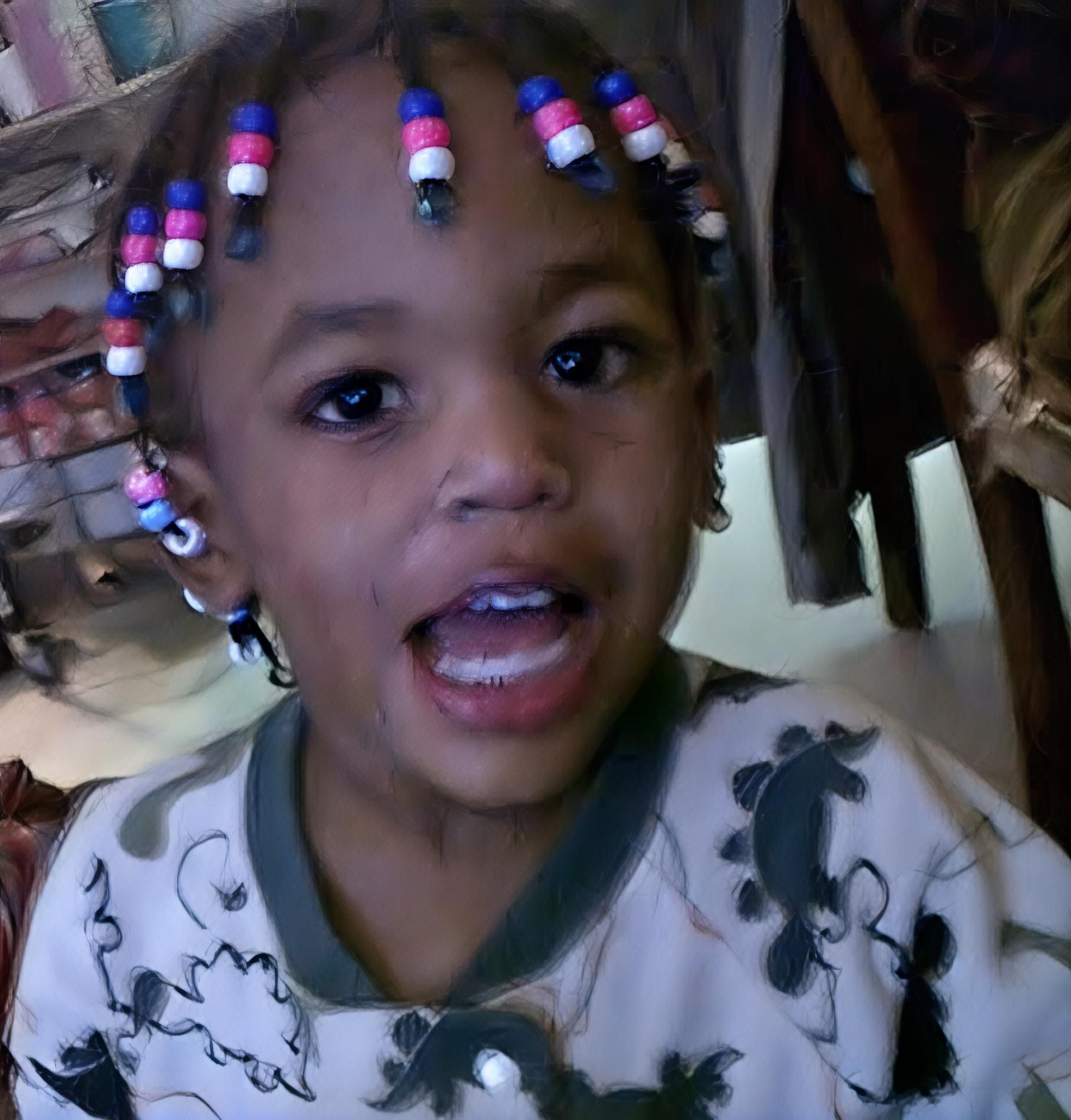
REMEMBERING KEVASIA
Kevasia Edwards was a sweet and friendly two year old little girl. She was one of five children and had four brothers. At only two years old, Kevasia was still discovering the world around her, learning new words and forming relationships with the familiar people she saw in her everyday life. One of those people was a security guard at the building where Kevasia lived. He remembered her as a very nice little girl who would affectionately call him “papa.” it is a small memory, but an important one. That t tells us something about Kevasia that court records and reports about her death cannot. She recognized the people around her. She formed attachments. She had her own little way of greeting someone she knew. Kevasia had already experienced instability during her short life. She and her siblings had been removed from their mother's care and spent time in foster care before eventually being returned home. None of those circumstances were choices Kevasia made. At two years old, she could not understand foster care, court proceedings, child welfare investigations or why adults decided where she would live. She was simply a little girl who needed stability, affection and protection. Kevasia deserved the opportunity to grow alongside her brothers, develop her own personality and create years of memories with the people who loved her. She deserved a childhood. And she deserved to be safe.
KEVASIA'S STORY
On January 23, 2014, the Queens Family Court allowed Kevasia and her siblings to remain with their mother, Ashley Diaz. The children had previously been removed from Diaz's care. She had participated in court ordered therapy and parenting classes, and the children were returned on what was known as a trial discharge, a period during which they remained under child welfare supervision while living with their mother. Eleven days later, Kevasia was dead. On February 3, 2014, Kevasia was inside the family's apartment on Beach 56th Place in Far Rockaway. At approximately 5:30 that evening, a neighbor watched Kevasia for about twenty minutes while Diaz went out to buy groceries. Kevasia was sleeping. When she awakened, the neighbor asked whether she was okay. Kevasia appeared somewhat pale and lethargic, but she answered that she was fine. The neighbor did not see obvious injuries to Kevasia's face at that time. Hours later, everything had changed. At approximately 11:15 p.m., Diaz contacted the neighbor and told her that Kevasia was not breathing. When the neighbor returned to the apartment, she found the two year old lying unresponsive on the floor. The neighbor began CPR. As she tried to save Kevasia, she could see that the little girl's face was red and bruised. Her lip was bleeding, and there was obvious trauma to her mouth and teeth. The neighbor's sister called 911. Emergency responders arrived at approximately 11:30 p.m. Kevasia was rushed to St. John's Episcopal Hospital. She could not be saved. At 12:02 a.m. on February 4, 2014, Kevasia Edwards was pronounced dead. She was two years old. Diaz initially gave investigators explanations that portrayed Kevasia's injuries as accidental. According to prosecutors, she said Kevasia had suffered a seizure and fallen to the floor at approximately 9:30 p.m. She admitted that she had not immediately sought medical attention. More than an hour passed before help was finally summoned.
But Kevasia's injuries told a very different story. Her body showed evidence of injuries from more than one point in time. The autopsy documented fresh and older bruising on her face, neck, torso and legs, injuries to her scalp, scars of different ages, bleeding associated with repeated impacts, two fractured ribs and traumatic injury to her liver. There was also scarring on her foot consistent with an earlier burn. The medical examiner determined that Kevasia had suffered multiple violent impacts to her head and body. Her death was ruled a homicide caused by abusive head trauma and other physical abuse. The evidence made clear that what happened to Kevasia on February 3 was not the first time she had been hurt. Some of the injuries on her tiny body were already healing. Others were new. The two year old had endured abuse before the final assault that ended her life.
WARNING SIGNS & SYSTEM FAILURES
Kevasia's death came after years of contact between her family and New York City's Administration for Children's Services. Beginning in 2011, ACS received multiple complaints concerning the family. Contemporary reporting indicated that there had been at least four complaints, including three concerning Diaz and another associated with Kevasia's father. Those complaints were reportedly determined to be unfounded. The concerns did not end there. Kevasia and her four siblings were eventually removed from their mother's care because of abuse and neglect allegations. Diaz was required to participate in therapy and parenting classes. After she demonstrated progress, the children were allowed to return to her care under continued supervision. On January 23, 2014, Queens Family Court allowed the children to remain with Diaz. ACS visited the family once after that ruling. Eleven days after the court decision, Kevasia was dead. the condition of Kevasia's body raised especially painful questions. Her autopsy did not reveal only injuries from the night she died. There were bruises, scars and other injuries of different ages. There was evidence of an earlier burn. There were fractured ribs. There were signs that Kevasia had been hurt before the final assault. Yet she remained in the home. Kevasia's death became one of several high profile New York City child deaths that prompted scrutiny of how children were monitored when they were returned to parents after being placed in foster care. Mayor Bill de Blasio publicly called for a review of ACS policies and practices following her death. The city later established an Office of Case Compliance and Monitoring to increase oversight of children during trial discharge periods. Reporting about its creation specifically identified Kevasia's death as one of the cases that led officials to reconsider the system. New York lawmakers also repeatedly cited Kevasia's death while proposing legislation requiring stronger documentation and oversight of child protective caseworkers. The legislation summarized the heartbreaking timeline plainly: Kevasia and her siblings had previously been removed. They were returned. A court allowed them to remain with their mother on January 23. ACS visited once. Eleven days later, Kevasia was dead.
JUSTICE FOR KEVASIA
Ashley Diaz was arrested two days after her daughter's death. She was initially charged with second degree murder and first degree assault. The criminal case continued for nearly three years. In January 2017, Diaz pleaded guilty to first degree assault and second degree manslaughter. As part of that plea, she admitted responsibility for killing her daughter. On February 8, 2017, Queens Supreme Court Justice Richard Buchter sentenced Diaz to 17 years in prison. Her sentence also included five years of post release supervision.
Ashley Diaz
Relationship to Kevasia: Mother
Convictions: First degree assault and second degree manslaughter
Sentence: 17 years in prison followed by five years of post release supervision
FOREVER REMEMBERED
Eleven days. That is the number that follows Kevasia's story. Eleven days separated the Family Court decision allowing her to remain with her mother from the night she was fatally injured. But Kevasia's life should never be measured only by the failures that surrounded her death. There is another memory worth holding onto. A security guard who regularly saw Kevasia around her building remembered a friendly little girl who called him “papa.” It is such a small detail. And that is precisely why it matters. It gives us something the court records cannot. For a moment, Kevasia is no longer a case number, an autopsy report or an example cited in legislation. She is simply a two year old little girl walking through the building where she lived, recognizing a familiar face and calling out to him. That little voice disappeared on February 4, 2014. But Kevasia's death did not disappear into another closed child welfare file. Her case forced questions about what happens when vulnerable children are returned home and how closely they are protected afterward. Her name was later written into proposed New York legislation. Her death contributed to scrutiny and changes within the city's child welfare system. None of those changes could give Kevasia back the childhood she lost. But they are part of the legacy left by a little girl who lived for only two years. Abuse Angels remembers Kevasia Edwards, not for the injuries documented after her death, but as the little girl who once walked through her building and called a familiar face “papa.” We remember Kevasia. We speak her name. And Kevasia Edwards will not be forgotten.
