July 19, 1997 – May 12, 2011
Age: 13 Years
Location: Sedro-Woolley, Washington
Suspect in death: Carri Darlene Williams, Adoptive Mother; Larry Paul Williams, Adoptive Father
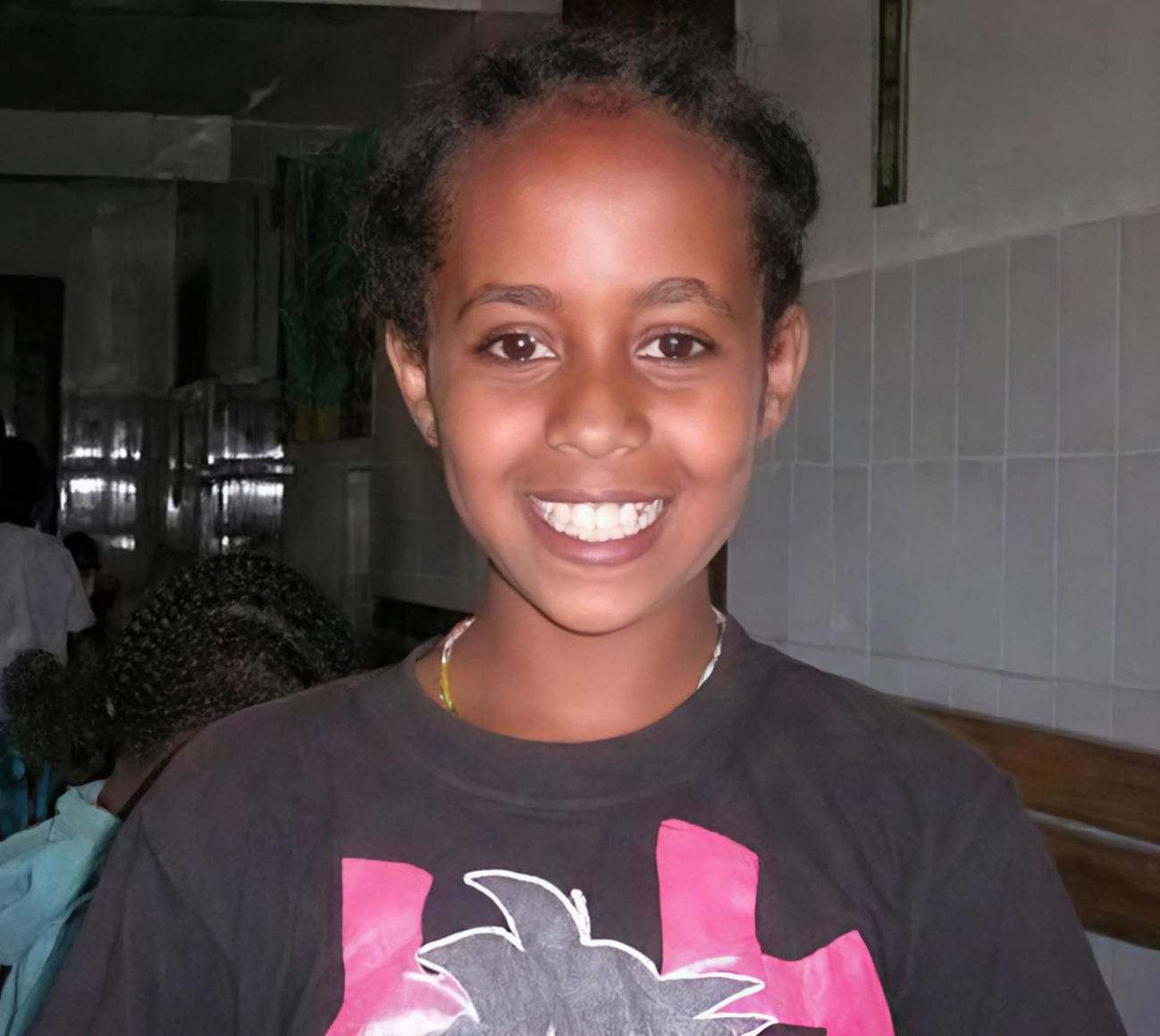
REMEMBERING HANA
Before she was Hana Grace-Rose Williams, she was Hana Alemu, a little girl from Ethiopia. Hana lost her father when she was young. Her mother disappeared from her life, and she was raised for a time within her extended family before poverty eventually led her to an orphanage. In 2008, Hana left Ethiopia after being adopted by Larry and Carri Williams in Washington. She was supposed to be beginning a new life. Hana was remembered as a pleasant girl with a beautiful smile and a wonderful personality. She loved to knit and crochet. She enjoyed reading, drawing and making crafts. She played soccer. She rode her bicycle. Those details matter because Hana's final years can otherwise become overwhelmed by descriptions of punishment, starvation and abuse. Hana was more than what happened to her. She was a creative girl who liked books and art. She was an Ethiopian daughter who had already experienced enormous change before arriving in America. And she deserved for her new home to be a place where she was loved and protected.
HANA'S STORY
Hana and another child, a younger deaf boy from Ethiopia, were adopted into the Williams family in 2008.Larry and Carri already had seven biological children. Over time, Hana and the other adopted child were treated differently from the biological children. The punishment became severe. Hana was repeatedly beaten. Plastic plumbing tubing was used to strike her. Food was withheld as punishment. At other times, she was given undesirable or inadequate food while the rest of the family ate separately. She was forced to eat outside. She was isolated from the family and sometimes forbidden from speaking unless someone spoke to her first. Hana was forced to sleep in a locked closet or shower room. At times she was sent outside inadequately dressed. Her hair was cut off as punishment. The abuse extended beyond physical pain. It deprived Hana of food, warmth, dignity and ordinary human connection. As the punishments continued, Hana lost a dangerous amount of weight. There is no evidence that she received medical care after June 2009. She became severely malnourished.mOn May 11, 2011, Hana was again forced outside at the family's rural Sedro-Woolley home. It was cold and raining. Hana was already severely underweight. As the hours passed, her body began losing its ability to maintain its temperature. She became disoriented. She stumbled and repeatedly fell. At some point she removed her clothing, a phenomenon that can occur during severe hypothermia. Still, she remained outside. Eventually Hana collapsed face down in the backyard. She was naked, unconscious and hypothermic. In the early hours of May 12, Carri found her there. Larry, who was driving home from work, told Carri to call 911. CPR was attempted. Hana was transported to Skagit Valley Hospital. At 1:30 a.m. on May 12, 2011, Hana was pronounced dead. Her body showed evidence of what she had endured. There were injuries on her pelvis, elbows, knees and calves. There were bruises and multiple impact marks. Her ribs and shoulder blades protruded because she was so thin. The forensic pathologist determined that Hana died from hypothermia, with severe malnutrition and a bacterial stomach infection contributing to her death. A child abuse specialist concluded that Hana's hypothermia had been brought on by inflicted starvation. She had survived three years in the home she had been brought halfway around the world to join. She did not survive the abuse she experienced there.
SYSTEM FAILURES & WARNING SIGNS
Hana's case exposed a serious vulnerability in the protection of internationally adopted children. After Hana and her adopted brother arrived in Washington, post adoption reports were initially submitted to the adoption agency. After June 2009, those reports stopped. So did Hana's documented medical visits. But once the adoption had been finalized, the private adoption agency had no legal authority to compel the Williams family to continue providing post adoption reports. Hana was also educated at home. She was increasingly isolated from doctors, teachers and other adults outside the family who might have recognized her severe weight loss, injuries or changing condition. For approximately two years before her death, there was no documented medical care that could have exposed what was happening to her. The full extent of the abuse became known only after Hana was dead. On May 24, 2011, Child Protective Services interviewed the surviving children. They disclosed that Hana and the other adopted child had been beaten, denied food, isolated and forced to sleep in locked spaces. The remaining children were eventually removed from the home. Hana's death prompted Washington to examine how adopted children were being protected. A state committee reviewing severe abuse of adopted children found inadequate oversight and weaknesses in the education, licensing and regulation surrounding private adoption services. The committee reviewed more than a dozen other cases of severe abuse or neglect of adopted children and recommended stronger safeguards. Hana's death helped expose a gap that had allowed an internationally adopted child to become almost completely isolated after her adoption was finalized. By the time the system fully saw Hana again, she was gone.mHana's abuse became easier to conceal as her contact with the outside world disappeared. Her documented medical care stopped. Post adoption reports stopped. She was educated at home. Her world became increasingly confined to the people responsible for abusing her.mInside that world, the warning signs were overwhelming. Hana was losing weight. She was being denied food.She was being struck hard enough to leave injuries and scars. She was sleeping in locked spaces. She was being isolated from other members of the family. She was being subjected to increasingly degrading punishment. And another adopted child in the home was being abused as well. Hana's case demonstrates the danger created when a child can disappear from schools, doctors and other independent adults at the same time abuse is escalating inside the home.
JUSTICE FOR HANA
Larry and Carri Williams were arrested and prosecuted for Hana's death and for the abuse of the other adopted child who survived. Their trial lasted several weeks. Their children testified about the punishments Hana and her adopted brother endured. Medical experts described Hana's malnutrition, injuries and hypothermia. The jury found Carri guilty of homicide by abuse and first degree manslaughter in Hana's death. She was also convicted of first degree assault of a child for the abuse of the surviving adopted boy. Larry was convicted of first degree manslaughter in Hana's death and first degree assault of a child for abusing the surviving boy. The jury could not reach a unanimous verdict on the homicide by abuse charge against Larry, and a mistrial was declared on that charge. Both parents received decades in prison. Their convictions survived subsequent appellate challenges.
Carri Darlene Williams
Relationship to Hana: Adoptive mother
Convictions: Homicide by abuse, first degree manslaughter and first degree assault of a child
Sentence: 36 years and 11 months in prison
Larry Paul Williams
Relationship to Hana: Adoptive father
Convictions: First degree manslaughter and first degree assault of a child
Sentence: 27 years and 9 months in prison
FOREVER REMEMBERED
Hana's life began thousands of miles from the place where it ended. She came from Ethiopia. She had a family and a history before she ever carried the surname Williams. She arrived in America believing she was joining a family that would care for her. Instead, during her final years, Hana's world became smaller. Doctors disappeared from it. Teachers were absent from it. Food was restricted. Doors were locked. Punishments became harsher. Eventually even warmth was denied to her. But none of those things tells us everything about Hana. Hana knitted. She crocheted. She read books. She drew pictures. She made crafts. She played soccer. She rode her bicycle. She had a beautiful smile. Those pieces of Hana survived the people who tried to reduce her world to punishment and obedience. Her death also forced difficult questions about what happens to adopted children after the paperwork is finished and whether a promise of a permanent family is enough without meaningful ways to ensure that a child remains safe. Hana should have grown into an adult with the freedom to tell her own story. She should have been able to remember Ethiopia in her own words. She should have been able to decide which name she wanted to carry into adulthood. She should have been able to make more art, read more books and ride her bicycle for years to come. Hana Alemu mattered before she became Hana Williams. Hana Grace-Rose Williams mattered after she arrived in America. Every part of her belongs to her story. Abuse Angels remembers Hana Grace-Rose Williams. Remembered. Honored. Never Forgotten.
