February 14, 2006 – March 19, 2012
Age: 6 Years
Location: Philadelphia, Pennsylvania
Suspects in death: Tina Cuffie, Mother; Latiff Hadi, also known as Floyd Wimes, Father

REMEMBERING KHALIL
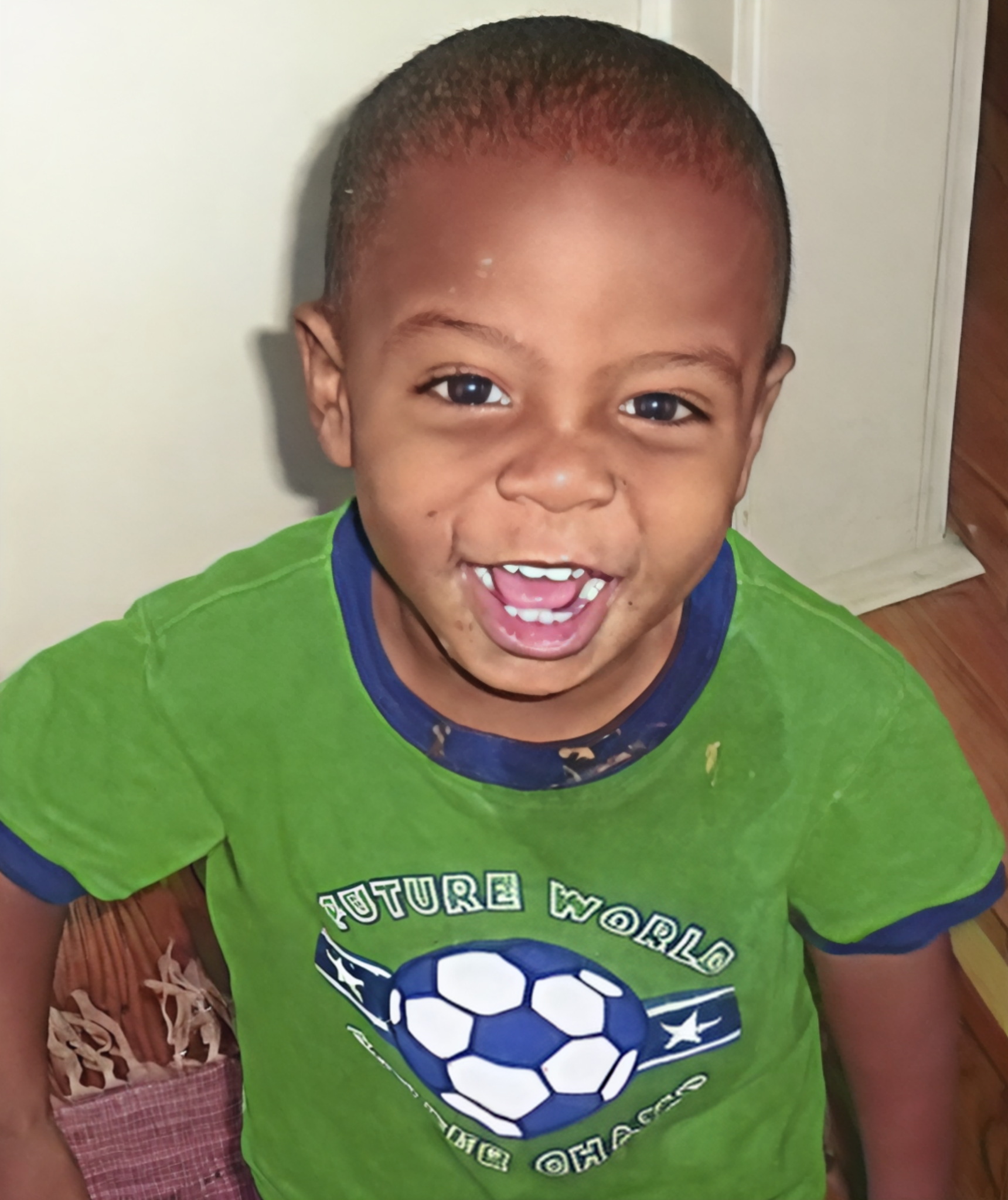
Before Khalil Wimes became the little boy whose death exposed devastating failures in Philadelphia’s child protection system, he was a happy child who was thriving.
Khalil spent most of his first three years being raised by relatives Alicia Nixon and her husband. In their home, Khalil was loved and cared for. His family remembered a bright little boy who was learning his ABCs and how to count. He grew. He played. He was healthy. The photographs taken during those years show a smiling little boy whose life looked entirely different from the one he would later endure. The adults raising Khalil wanted to keep him. They fought to keep him. They warned that returning him to his biological parents was not safe. Khalil himself did not want to leave the home he knew. But he was returned. Three years later, Khalil was dead.
KHALIL’S STORY
Khalil was born on February 14, 2006. His family was already known to the Philadelphia Department of Human Services. Within days of his birth, concerns were reported about his parents’ drug use. Several of Khalil’s older siblings had already been removed from their parents’ care. When Khalil was approximately one week old, he was placed with his father’s cousin, Alicia Nixon, and her husband. Khalil thrived in their home. His biological parents continued seeking custody. After Khalil turned one, Tina and Floyd temporarily regained custody of him. Within approximately one week, Khalil was returned to Alicia’s care after his parents failed to provide necessary asthma medication and follow an appropriate diet, resulting in his hospitalization. Still, efforts to reunify Khalil with his parents continued. By 2008 and 2009, his parents had met conditions required of them, including drug testing, parenting classes and obtaining housing. Despite objections from people involved in Khalil’s life, he was ultimately returned to his biological parents. For a period afterward, the Department of Human Services monitored the home and Khalil appeared healthy. Then the monitoring ended. The abuse investigators later reconstructed was prolonged and relentless. Khalil was beaten with belts and electrical cords. His mother admitted beating him almost every day. He was forced to stand facing a corner while objects were thrown at him. He was punished with push ups, sit ups and running laps through the apartment. Khalil developed serious problems with vomiting. Instead of treating his sickness with compassion and obtaining consistent medical help, his parents treated the vomiting as deliberate misbehavior. When Khalil vomited, he was punished. He was beaten. He was isolated. He was locked inside his room. His bedroom contained little more than a filthy mattress on the floor. A latch on the outside allowed the door to be locked from the hallway. Meanwhile, Khalil was starving. His body became smaller. His face became thinner. Scars accumulated across his skin. Yet Khalil became increasingly isolated from the outside world. Neighbors living nearby later said they did not even know a six year old boy lived inside the apartment. The day before Khalil died, he was already so weak from malnutrition and abuse that he struggled to stand. Still, he was forced to run laps through the apartment as punishment after vomiting. On March 19, 2012, the violence continued. Tina struck Khalil in the back of the head. He fell forward and hit the bathroom floor. He appeared dazed. His parents did not immediately take him for emergency medical treatment. Approximately 13 hours passed. Eventually, Khalil was taken to Children’s Hospital of Philadelphia. Doctors saw a severely emaciated and battered little boy. Khalil weighed only 29 pounds. His body was covered with old and new injuries. There were so many scars that the medical examiner could not meaningfully count them. Khalil died shortly after arriving at the hospital. He was six years old. The medical examiner determined that he died from blunt force trauma to his head. His prolonged starvation and physical abuse were impossible to miss once his body was finally seen.
SYSTEM FAILURES & WARNING SIGNS
Khalil Wimes did not die in a family that had never come to the attention of authorities. The child welfare system knew him almost from birth. His parents had already lost custody of multiple older children. Khalil himself had already been removed from their care. He had already been returned once and hospitalized after his parents failed to provide proper care. He had already demonstrated that he could thrive in a safe home. And people who knew him warned against returning him permanently to his biological parents. His foster parents objected. His social worker objected.His court appointed child advocate objected. Still, Khalil was reunified with his parents. After the reunification, the Department of Human Services monitored him for a period of time. During that period, he appeared healthy. Investigators later concluded that the severe abuse began after that monitoring ended. But Khalil eventually came into contact with the child welfare system again. During the final eight months of his life, Department of Human Services personnel saw Khalil multiple times through visits connected with his siblings. Photographs taken during that period showed visible scarring. His condition was deteriorating. Yet the danger was not recognized. After Khalil’s death, Philadelphia conducted a child fatality review. The review documented missed opportunities by professionals who encountered him. The social worker involved in the case was removed from active case duty while the city reviewed her work and that of her supervisor. Khalil’s death was especially disturbing because Philadelphia had already promised major child welfare reforms following the 2006 starvation death of fourteen year old Danieal Kelly. Six years after Danieal died, another Philadelphia child known to the system was found starved, battered and dead. Khalil had adults who tried to protect him. They raised concerns. They objected to reunification. They pleaded for him to remain where he was safe. Those warnings did not prevent him from being returned to the home where he would eventually die. Khalil’s abuse left visible evidence. His body became severely underweight. Scars covered his face, arms, back and neck. He had old injuries and new injuries. His health deteriorated. He vomited repeatedly. He stopped attending school. He became isolated inside his home. Neighbors did not see him playing outside and some did not even know he existed. His bedroom could be locked from the outside. And during the final months of his life, professionals had opportunities to see him. A child who suddenly disappears from school, relatives, neighbors and other ordinary parts of childhood can become dangerously invisible. Khalil needed someone to recognize that the little boy standing in front of them was no longer the healthy child who had once thrived. By the time doctors finally saw the full extent of what had happened to him, there was no time left to protect him.
JUSTICE FOR KHALIL
Tina Cuffie and Latiff Hadi, also known as Floyd Wimes, were arrested following Khalil’s death. Prosecutors initially pursued first degree murder charges. At trial, the defense did not dispute that Khalil had suffered horrific abuse but argued that the evidence did not establish the intent necessary for first degree murder. On September 27, 2013, both parents were convicted of third degree murder and additional offenses connected to Khalil’s abuse and neglect. Two months later, they returned to court for sentencing. The judge sentenced each of them to 30 to 60 years in prison.
Tina Cuffie
Relationship to Khalil: Mother
Convictions: Third degree murder and related offenses
Sentence: 30 to 60 years in prison
Latiff Hadi, also known as Floyd Wimes
Relationship to Khalil: Father
Convictions: Third degree murder, conspiracy to commit aggravated assault and endangering the welfare of a child
Sentence: 30 to 60 years in prison
FOREVER REMEMBERED
There is a photograph of Khalil from before everything changed. He is smiling. He looks healthy. He looks like what he was: a little boy being given the chance to thrive. That photograph matters because the condition of Khalil’s body at six years old was not inevitable. We know that because Khalil had already shown everyone what happened when he was safe. He grew. He learned. He smiled. He learned his ABCs and how to count. He had adults who loved him enough to fight to keep him. Then a decision was made to send him somewhere else. For the final years of his life, Khalil was beaten, starved, punished for being sick and increasingly hidden from the world. By the end, neighbors did not even know the six year old boy lived nearby. Khalil should never have had to disappear before people realized he needed saving. He should have remained the smiling child in those earlier photographs. He should have continued learning. He should have gone to school. He should have played outside. He should have been allowed to grow into the body that starvation never allowed him to have. Most painfully, Khalil had already known what safety and love felt like.
There were people who wanted him. There were people who fought for him. There were people who tried to keep him safe. Their inability to stop what happened does not change the fact that Khalil was deeply loved. He was not invisible then. And he will not be invisible now. Abuse Angels remembers Khalil Wimes. Remembered. Honored. Never Forgotten
