July 16, 1993 - May 6, 2000
Age: 6 Years
Location: Welney, Norfolk England
Suspect in death: Tracey Wright, stepmother; Craig Wright, father
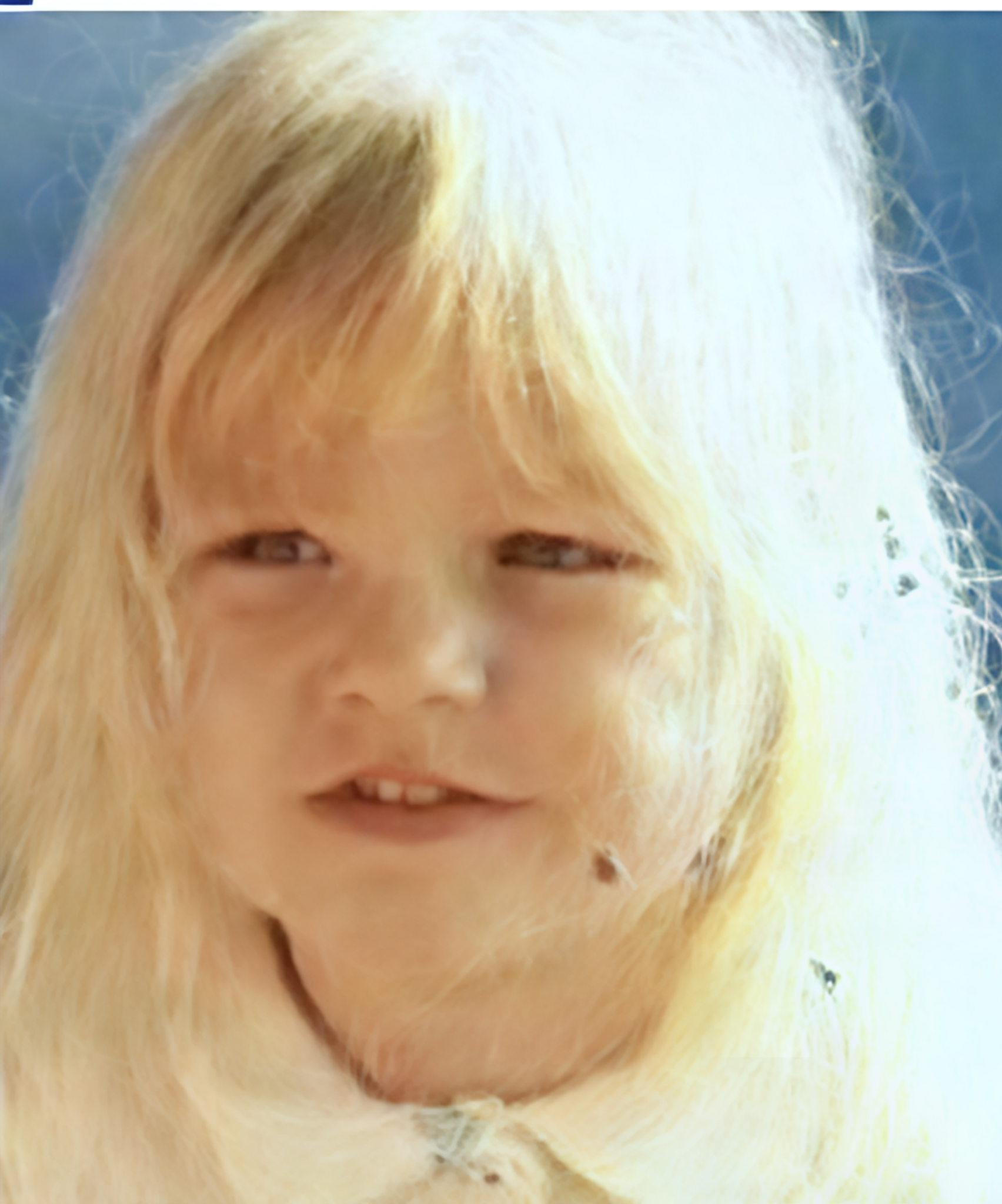
REMEMBERING LAUREN
Lauren Victoria Wright was a cheerful, affectionate little girl with blue eyes, a soft complexion and a ready smile. People who knew her remembered a child who was chatty, trusting and grateful for affection. Lauren wanted what every little girl deserves: to feel wanted, safe and loved. Instead, instability and neglect followed her through much of her short childhood. She was passed between adults and eventually placed in a home where the abuse she suffered became increasingly visible to the people around her. Yet Lauren continued going to school. She continued appearing in her community. Teachers, doctors, social workers, neighbors and relatives saw pieces of what was happening. Lauren was not hidden away from the world. She was a six year old little girl deteriorating in front of it.
LAUREN’S STORY
Lauren was born on July 16, 1993, in Hertfordshire, England. Her biological parents were Jennifer Bennett and Craig Wright. Craig had little involvement in Lauren’s earliest years, and concerns about neglect existed while Lauren was living with her mother. In 1997, Jennifer took Lauren on a trip to Turkey and returned to England without her, leaving the British consulate to arrange for the little girl to be brought home. Following her return, Lauren was placed on the child protection register in Hertfordshire. She eventually went to live with her father and paternal grandmother, Christine Wright. Christine later obtained a residence order making her Lauren’s legal guardian. Lauren eventually moved to Welney, Norfolk. Her father began a relationship with their neighbor, Tracey Scarff, who had children of her own. Craig and Tracey married in 1999. Lauren moved into their home. What followed was approximately 18 months of physical and psychological cruelty. Tracey treated Lauren differently from her own children. Lauren was humiliated, bullied, deprived of food and subjected to repeated violence. Witnesses described seeing Tracey hit Lauren and scream abuse at her. Lauren was made to carry her stepsiblings’ schoolbags. She was forced to stand for long periods fully dressed in front of a hot stove. She was given pepper sandwiches. Insects from the garden were put into her food. The taps were tightened so severely that Lauren could not get herself a drink of water. She became progressively thinner. Her hair became greasy and began falling out. Her clothing was dirty. Bruises appeared again and again. Explanations were repeatedly offered for Lauren’s injuries. She had fallen. A dog had hurt her. She was clumsy. Other children were bullying her. But the injuries continued. Lauren’s teacher later testified that she frequently saw small bruises and approximately once a month saw major bruising, including black eyes, facial bruises and scratches across Lauren’s back. By late 1999 and early 2000, concerns about Lauren were being raised by people in the community. Doctors examined her. Social workers became involved. Her school knew about her declining condition. Neighbors noticed. Yet Lauren remained in the home. In February 2000, Lauren was taken to a doctor because of headaches, dizziness, nosebleeds and hair loss. She was pale and bruised. She was referred for further medical evaluation. In March, another doctor observed numerous bruises of different ages. There was concern that Lauren was being abused. A pediatrician, however, accepted explanations that the injuries could have resulted from bullying at school. Police were subsequently told that the medical evidence was inconclusive. Meanwhile, Lauren continued deteriorating. She lost an extraordinary amount of weight. The cheerful little girl was becoming emaciated. In April 2000, another anonymous report concerning Lauren’s welfare reached social services. Social workers from Hertfordshire also visited and became alarmed by Lauren’s appearance and behavior. Their concerns were passed to Norfolk social services. A meeting was finally arranged to discuss Lauren. It was scheduled for May 8th. Lauren would not live long enough to attend it. Between May 2 and May 5, Lauren suffered a devastating blow to her abdomen. At trial, Tracey’s son described seeing his mother punch Lauren twice in the stomach on the day Lauren died. The abdominal injury caused Lauren’s digestive system to collapse. She was not immediately given the medical care that might have saved her. On May 6, 2000, Lauren was found dead in an upstairs room of the family home. Her body told the story adults had repeatedly failed to fully recognize. Lauren was severely emaciated. She weighed only a little more than two stone. More than 60 bruises covered her body. A doctor later compared the extent of her injuries to those that might be seen in a victim of a serious car crash. Lauren had endured months of physical abuse, starvation, humiliation and neglect. The final blow to her abdomen ended her life.
SYSTEM FAILURES & WARNING SIGNS
Lauren Wright’s death became one of Britain’s most disturbing examples of a child dying despite repeated contact with the people and institutions responsible for protecting her. She had been known to social services from early childhood. She had previously been placed on a child protection register. Norfolk social services had known about her for years before she died. Lauren attended a tiny primary school where her physical deterioration was impossible to miss. Her head teacher later said that the decline in Lauren’s physical condition had been apparent for at least five months before her death. Her teacher saw repeated bruising. Neighbors saw injuries.
Members of the community raised concerns. Anonymous reports were made. Doctors examined her. Social workers visited her. A police officer became involved. Yet the pieces were repeatedly considered separately instead of being recognized as evidence of a child in serious danger. In March 2000, doctors observed numerous bruises of different ages. One physician suspected abuse. Another accepted the explanation that Lauren was being bullied at school. Police were told that the medical evidence was inconclusive. Social services relied in part upon Lauren’s school to monitor what was happening. But Tracey Wright herself worked at Lauren’s school as a playground assistant. By late April, social workers from Hertfordshire had become concerned enough about Lauren’s appearance and behavior to contact Norfolk social services. Still, Lauren remained at home. A meeting to address her situation was finally arranged for May 8th. Lauren died on May 6th. Two days before the meeting intended to discuss her safety. After Lauren’s death, Norfolk social services acknowledged that its handling of her case had been negligent. Its own review found that the response to Lauren’s situation had been poorly coordinated and lacked urgency. The director of Norfolk social services made an extraordinary admission: Had the procedures already in place been properly followed, Lauren would have been alive. Lauren did not die because nobody ever noticed. People noticed. The system failed to bring those warnings together and act with the urgency necessary to save her. Her case later became part of the national discussion about how schools, health professionals and child protection agencies share information and respond to suspected abuse. Concerns arising from Lauren’s death contributed to stronger statutory responsibilities for schools and local education authorities to safeguard children. Those changes came too late for Lauren. The warning signs surrounding Lauren were extensive. Her body was repeatedly bruised. She suffered black eyes and facial injuries. Scratches appeared across her back. Her hair began falling out. She became pale and dramatically underweight. Her physical condition deteriorated for months. Neighbors and members of the community raised concerns. Doctors examined injuries of different ages. Her teacher repeatedly saw bruises. Social workers visited. And explanations for Lauren’s injuries changed repeatedly. She had fallen. She had been attacked by a dog. She was being bullied. She had injured herself while playing. No single explanation accounted for the entire pattern. Children who are being abused may repeat explanations provided by the adults controlling them. They may deny being frightened. They may still express affection for the person hurting them. That does not make unexplained injuries, dramatic weight loss and repeated reports of abuse disappear. Lauren needed the adults around her to look beyond each individual explanation and see the little girl standing in front of them. By the time that happened, it was too late.
JUSTICE FOR LAUREN
Craig and Tracey Wright were prosecuted at Norwich Crown Court. The trial lasted four weeks. Prosecutors established that Tracey had subjected Lauren to prolonged physical and psychological cruelty and inflicted the abdominal injury that caused her death. Craig was not accused of personally inflicting Lauren’s physical injuries. His criminal responsibility came from his gross failure to protect his daughter or obtain the medical attention she desperately needed. On October 1, 2001, a jury found both Tracey and Craig Wright guilty of manslaughter and child cruelty. Tracey was sentenced to a total of 15 years in prison. Craig was sentenced to three years.
Tracey Wright
Relationship to Lauren: Stepmother
Convictions: Manslaughter and child cruelty
Sentence: 15 years in prison
Craig Wright
Relationship to Lauren: Father
Convictions: Manslaughter and child cruelty
Sentence: 3 years in prison
FOREVER REMEMBERED
Lauren Wright was six years old when she died. For much of her childhood, adults made decisions about where she would live, who would care for her and whether the injuries appearing on her little body meant she was in danger. Lauren had almost no power over any of those decisions. What she did have was a smile. She was remembered as cheerful and chatty. Affectionate. Trusting. A beautiful little girl with blue eyes who was grateful when someone gave her attention. Those details matter because Lauren’s name became associated with one of Britain’s most notorious child protection failures. But Lauren herself was not a failure. The adults failed. The systems failed. Lauren was simply a little girl waiting for someone to make her safe. Her suffering eventually helped force difficult conversations about the responsibilities of teachers, doctors, social workers and other professionals when they see signs that a child may be abused. Changes followed. Lessons were written. Responsibilities were strengthened. But Lauren never received the protection those lessons were meant to provide. She never reached seven. She never had the chance to discover who she would become outside the home where she was hurt. She deserved years in which bruises disappeared instead of multiplied. She deserved food when she was hungry and water when she was thirsty. She deserved school to be a safe place. She deserved adults who believed that protecting her mattered more than accepting another explanation. Most of all, Lauren deserved the ordinary childhood that was taken from her. Her story should make us remember the importance of seeing the whole child and the whole pattern. But her name should also make us remember the little girl herself. Lauren Victoria Wright. Cheerful. Chatty. Affectionate. Trusting. And worth protecting. Abuse Angels remembers Lauren Victoria Wright. Remembered. Honored. Never Forgotten.
