Unknown – November 1992
Age: 3 Years
Location: Hucknall, Nottinghamshire, England
Suspects in death: Colin Sleate, Mother’s Boyfriend; Tina White, Mother
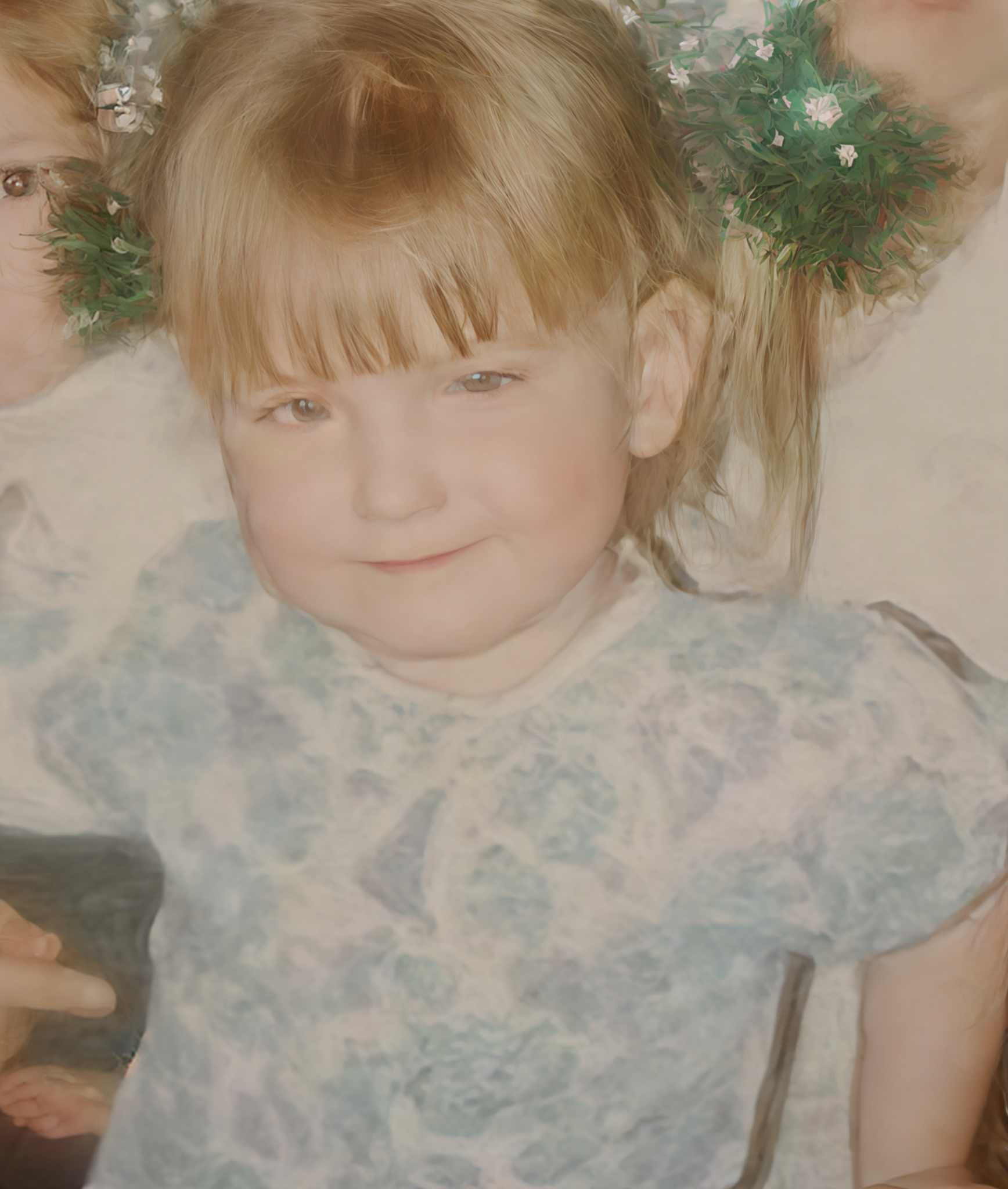
REMEMBERING LEANNE
Leanne White was three years old. Before Colin Sleate moved into her home, Leanne was described as a healthy, lively, bubbly and happy little girl. Then she changed.
The happy child people had known became sad and withdrawn. Behind that change was a frightening reality. Leanne was living in a home where she was subjected to months of physical and emotional abuse. People outside the home noticed. Her grandmother noticed.Neighbors heard her. Warnings were made. Adults tried to get someone to protect her. Leanne was only three years old. She could not remove herself from the danger surrounding her. She needed the adults and systems responsible for protecting children to do that for her.
LEANNE’S STORY
Colin Sleate moved into the home with Leanne and her mother, Tina White, in November 1991. Over the months that followed, Leanne was subjected to escalating abuse.
She was made to sleep on the floor. Neighbors heard Leanne screaming. At least one neighbor heard Colin threatening to thrash her. Her grandmother and other people became increasingly concerned about what was happening inside the home and repeatedly contacted social services. But Leanne remained there. The abuse continued. By November 1992, her tiny body could no longer withstand it. Leanne was beaten repeatedly and violently in the abdomen. The force of the blows caused devastating internal injuries. Her abdomen was ruptured. Her ribs were cracked. She suffered massive internal bleeding. When doctors examined Leanne, they documented 107 separate external injuries across her body. The injuries were evidence not simply of one moment of violence, but of the brutal treatment Leanne had endured.
She died at only three years old.
SYSTEM FAILURES & WARNING SIGNS
Leanne did not die because no one knew she might be in danger. People were trying to tell authorities. During the approximately six months before her death, relatives and neighbors repeatedly contacted Nottinghamshire social services with concerns about Leanne. There were seven warnings. By early July 1992 alone, social services had already received three contacts concerning her welfare. Yet the information was not brought together to create a clear picture of what was happening to Leanne.
An official inquiry later concluded that referrals had effectively been considered separately rather than as accumulating evidence that a three year old child could be in serious danger. Social workers visited Leanne’s home. But they failed to physically examine her for injuries. They failed to systematically gather information from the people reporting concerns. They failed to obtain the names of some neighbors who had information about what was happening. Records were incomplete. Colin’s surname was misspelled and his date of birth was not properly recorded, potentially interfering with checks of police and probation records. The social worker responsible for the first home visit was not even identified in Leanne’s file. Despite the repeated warnings, police were never notified. Leanne was never placed on the Child Protection Register. Most devastatingly, social workers never properly examined the little girl whose safety they were supposed to be assessing. After Leanne was murdered, the Nottinghamshire Area Child Protection Committee investigated. Its conclusion was extraordinary and unequivocal: Leanne’s death could have been prevented. The inquiry found fundamental errors of judgment and concluded that social services had failed to properly investigate the information being reported about her. The judge who presided over the criminal case later described the handling of Leanne’s case as appalling. A subsequent review of Nottinghamshire child protection services found serious deficiencies and unacceptably low standards. The director of Nottinghamshire social services eventually resigned. None of it could bring Leanne back. Seven warnings had been given while there was still time to protect her. The warning signs surrounding Leanne were not hidden. Her personality changed. A child once described as lively, bubbly and happy became sad and withdrawn. Neighbors heard screaming from the home. A neighbor heard Colin threaten Leanne. Her grandmother repeatedly raised concerns. Other relatives and neighbors also contacted authorities. Social services received multiple referrals. And yet Leanne remained inside the home. After her death, 107 separate injuries were found on her body. The tragedy of Leanne’s case is not simply that warning signs existed. It is that people recognized them, reported them and asked for help. The response was still not enough to save her.
JUSTICE FOR LEANNE
Colin Sleate and Tina White were both prosecuted following Leanne’s death. Prosecutors described a regime of violence inside the home and presented evidence of the extraordinary number of injuries found on Leanne’s body. Both defendants denied responsibility, and each blamed the other for Leanne’s injuries and death. A jury rejected Colin’s denial. In December 1993, he was convicted of murdering Leanne and sentenced to life imprisonment. Tina was acquitted of murder but convicted of manslaughter and two counts of child cruelty. She was subsequently sentenced to 10 years in prison.
Colin Sleate
Relationship to Leanne: Mother’s boyfriend
Conviction: Murder
Sentence: Life imprisonment
Tina White
Relationship to Leanne: Mother
Convictions: Manslaughter and two counts of child cruelty
Sentence: 10 years in prison
FOREVER REMEMBERED
Before there were reports, investigations, court proceedings and inquiries, there was Leanne. A lively little girl. Bubbly. Happy. Three years old. Those descriptions matter because abuse changed the child people saw. Leanne became sad and withdrawn while adults outside her home desperately tried to get someone to recognize what was happening. Her grandmother spoke. Neighbors spoke. Seven warnings were made. Leanne herself was too young to escape. The system had opportunities to do for her what she could not do for herself. After she died, officials examined records, identified failures, made recommendations and acknowledged that her death could have been prevented. Leanne deserved that urgency while she was still alive. She deserved someone to look closely enough. She deserved someone to listen.
She deserved someone to take her out of that home. Most of all, Leanne deserved the chance to remain the lively, bubbly and happy little girl people remembered from before the abuse began. Abuse Angels remembers Leanne White. Remembered. Honored. Never Forgotten.
