July 3,2010 - May 2, 2012
Age: 22 Months
Location: Calgary, Alberta, Canada
Suspect in death: Caitlin Alexandra Jarosz, Dayhome Provider and Caregiver
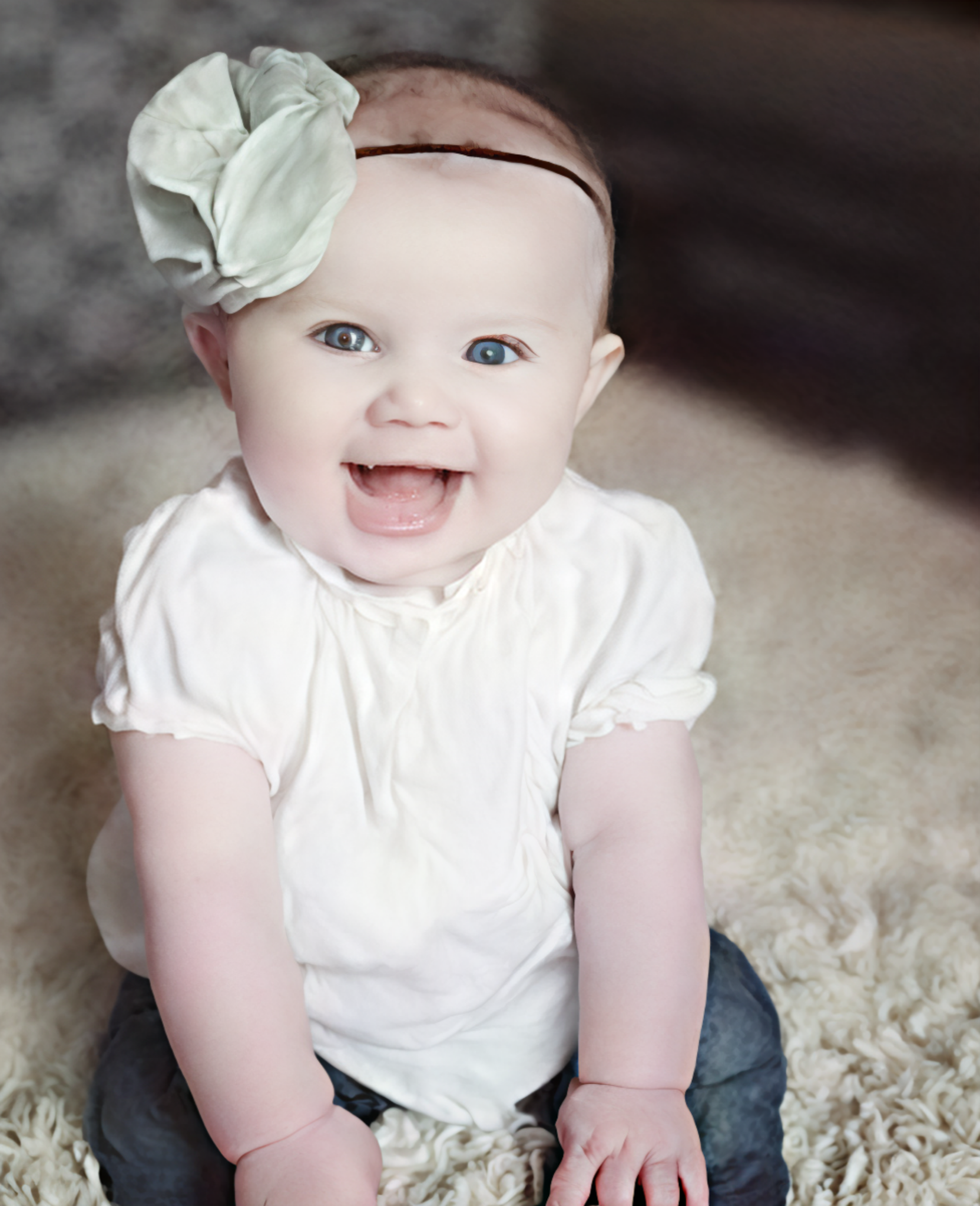
REMEMBERING MACKENZY
Mackenzy Jane Woolfsmith was a bright, energetic and happy little girl. Those are not simply words chosen after her death. They are how the judge who later conducted the public inquiry into Mackenzy’s death described the 22 month old child at the center of the case. Her parents, Dan and Jennifer Woolfsmith, remembered a little girl who brought tremendous happiness into their lives. Mackenzy loved to share. That small part of her personality would ultimately become an extraordinary part of her legacy. Her parents had carefully chosen the woman they trusted to care for her. They checked references. They used all of the information available to them. They watched how Mackenzy interacted with her caregiver. Nothing they could see told them their little girl was in danger. On May 2, 2012, Mackenzy went to her dayhome as she had before. She would never come home.
MACKENZY’S STORY
Mackenzy was cared for at a private, unlicensed dayhome operated by Caitlin Alexandra Jarosz in Calgary’s McKenzie Towne community. Mackenzy appeared to have a positive relationship with Caitlin. Her parents had been careful and conscientious when choosing her childcare provider. What they could not access was information about previous incidents involving children in Caitlin’s care. On May 2, 2012, Caitlin was caring for four children. She later said the children had eaten lunch and were going upstairs. According to Caitlin, Mackenzy was several steps ahead of her when a dog barked and startled her. Caitlin claimed Mackenzy fell backward. She said she tried to catch her but Mackenzy flipped over her arm and struck the back of her head on the carpeted stairs. Caitlin said Mackenzy initially cried. She then stopped crying and began breathing abnormally. Caitlin acknowledged that she shook Mackenzy after the child became distressed. Emergency responders were called. When they arrived, Mackenzy was unresponsive and unable to breathe on her own. She was rushed to Alberta Children’s Hospital. Doctors quickly realized that her injuries were catastrophic.\ Mackenzy had multiple areas of bruising that were not consistent with a single accidental fall. There was bleeding and swelling involving her spinal cord. Both of her eyes contained extensive retinal hemorrhaging. Medical experts concluded those injuries demonstrated extremely forceful shaking. The damage to Mackenzy’s brain and body was devastating. She never regained consciousness. Her parents were forced to face the unimaginable reality that their little girl was not going to survive. Mackenzy died at Alberta Children’s Hospital at 4:11 p.m. on May 3, 2012. The medical investigation ultimately determined that Mackenzy died from multiple blunt force injuries. Her death was classified as homicidal. A pediatric forensic pathologist who later reviewed the evidence concluded that the nature and number of Mackenzy’s injuries provided overwhelming evidence that she had been killed. The injuries could not be explained by the short accidental fall Caitlin had described.
SYSTEM FAILURES & WARNING SIGNS
Mackenzy’s parents did what parents are repeatedly told to do when selecting someone to care for their child. They investigated. They checked references. They observed. They used the information available to them. The public fatality inquiry later made an explicit finding that Dan and Jennifer Woolfsmith had made no error in choosing Caitlin Jarosz. The problem was that important information was not available to them. Before Mackenzy’s death, other children had suffered injuries while in Caitlin’s care. In September 2010, while Caitlin was working through a Family Day Home Agency, a child was injured in an incident requiring medical attention. The agency recommended that Caitlin receive additional support. That support did not occur because she ended her relationship with the agency soon afterward. Additional incidents involving injuries to children occurred in February 2011 after Caitlin began providing care independently. A complaint resulted in an inquiry by Child and Family Services. Those earlier injuries were not determined to have been intentionally caused by Caitlin. But their existence was information Mackenzy’s parents could not obtain when deciding whether to place their daughter in her care. The fatality inquiry found that this lack of independent information placed parents at a significant disadvantage. Unlicensed childcare operated differently from licensed or approved care. Parents could not necessarily tell how meaningful that distinction was, and there was no comprehensive system allowing them to discover prior concerns involving a private provider. The judge ultimately made ten recommendations intended to make childcare safer. The recommendations addressed oversight, information sharing, regulation and the particular risks surrounding unlicensed childcare. Mackenzy’s parents could not have acted upon information they were never allowed to see. The public inquiry made that clear. The failure was not theirs. Mackenzy’s case demonstrates that warning signs do not always appear directly on the child before tragedy occurs. Sometimes the warning exists in information scattered across different agencies, organizations and previous incidents. Before Mackenzy entered Caitlin’s care, other children had been injured while under Caitlin’s supervision. Those incidents had generated contact with a Family Day Home Agency and Child and Family Services. None had resulted in a finding that Caitlin intentionally injured those children. But Mackenzy’s parents had no independent way to know that the incidents had happened. They could only make decisions using the information available to them. For parents choosing childcare, meaningful safety information matters. So does understanding the difference between licensed, approved and unlicensed care. Mackenzy’s death ultimately forced Alberta to examine whether parents were being given enough information to make those decisions.
JUSTICE FOR MACKENZY
For months after Mackenzy’s death, investigators continued trying to determine precisely what had happened inside the dayhome. The case eventually became a homicide investigation. Medical experts concluded that Mackenzy’s catastrophic injuries could not have resulted from the short accidental fall Caitlin described. On July 16, 2013, Calgary police arrested Caitlin Alexandra Jarosz and charged her with second degree murder. Caitlin was the only adult present when Mackenzy suffered her injuries. Her murder trial was scheduled to begin in November 2015. Instead, Caitlin pleaded guilty to manslaughter. In May 2016, she was sentenced to five and a half years in prison.
Caitlin Alexandra Jarosz
Relationship to Mackenzy: Dayhome provider and caregiver
Original charge: Second degree murder
Conviction: Manslaughter
Sentence: Five and a half years in prison
FOREVER REMEMBERED
What happened inside that Calgary dayhome ended Mackenzy’s life. It did not end what Mackenzy gave to the world. When doctors told Dan and Jennifer that their daughter would not survive, they made an extraordinary decision. Mackenzy became an organ donor. Her organs gave four other people a chance to live. Her parents later said sharing had always been something Mackenzy loved. In the most painful moment imaginable, their little girl gave one final gift. Jennifer has continued speaking about Mackenzy and the importance of organ donation years after her daughter's death. She has described Mackenzy as her beautiful girl and has made certain that people know the child behind the tragedy. Mackenzy’s death also forced difficult questions about the safety of unlicensed childcare. A public fatality inquiry examined what happened. Ten recommendations followed. Years later, policymakers continued invoking Mackenzy’s name while debating stronger protections for children in unlicensed care. But Mackenzy’s greatest legacy cannot be measured only in laws, recommendations or investigations. She was 22 months old. She was bright. She was energetic. She was happy. She loved to share. She was deeply loved by her parents. And four people were given another chance at life because of her. Mackenzy was just shy of her second birthday when she died. She should have reached it. She should have reached many more. Her parents should have been able to watch the bright, energetic toddler they loved become a child, a teenager and an adult. Instead, they have carried her memory forward. And through the lives she saved, the changes her death inspired and the family who continues speaking her name, Mackenzy’s impact has reached far beyond the 22 months she was given.Abuse Angels remembers Mackenzy Jane Woolfsmith. Remembered. Honored. Never Forgotten.
